
There are two basic types of Dense Phase Pneumatic Conveyor Systems: Continuous and Plug Types. Each type requires medium to high pressures to move materials in their intended direction. The pipe diameter is usually chosen according to the required throughput and works out to be smaller the greater the flow rate. In general, Dense Phase Pneumatic Conveyors can be used with almost any material, depending on the size of the material to be conveyed.
What is Dense Phase Pneumatic Conveying System?
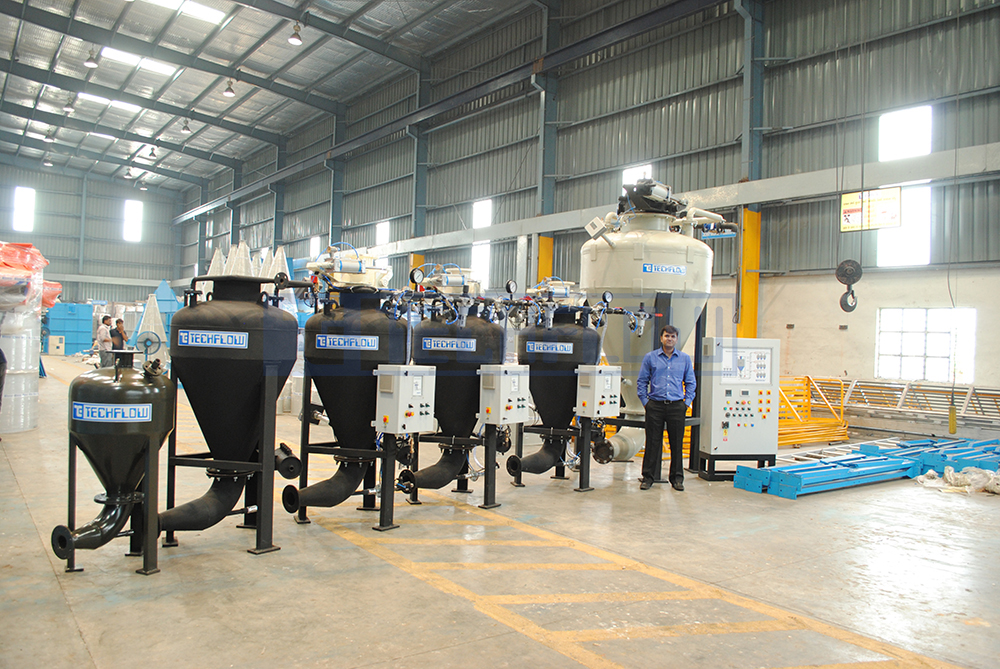
One of the first manufacturer of a Dense Phase Pneumatic Conveying System in India, Techflow Enterprises Pvt. Ltd has introduced this innovative technology to the market. Also known as material transporter, this conveying system utilizes compressed air to move material through the process. This system uses higher pressure and lower air volume per kilogram of material, making it a more efficient system than a dilute-phase system. The solid component is denser in powder form, thus increasing fluids ability.
What is Dilute Phase Pneumatic Conveying System?
The basic principle behind a dilute phase pneumatic conveying system is the continuous transfer of particles in an air stream. The material is introduced into the air stream at a certain speed, which varies from fifteen to thirty meters per second, depending on the characteristics of the material. A well-designed system will use a low product to air ratio and a high velocity to maximize the conveying capacity. This type of conveying system is also known as a suspended flow, and the resulting material is completely dispersed in the air stream.
The weakened-stage vacuum conveyor minimizes the openness of material and reduces the risk of spilling. This type of conveying system is effective for light materials, dry powder, and substances with a relatively low abrasiveness. Furthermore, this type of conveying system requires less space than a standard pneumatic conveyor, so it is an ideal choice for powder materials. It is particularly useful for materials with a low abrasive or chemical resistance.
What is Vertical Conveying in Pneumatic Conveying System?
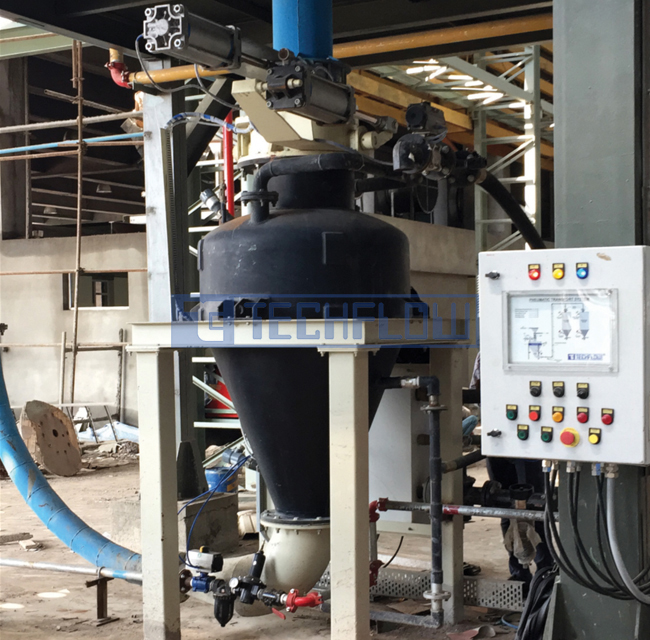
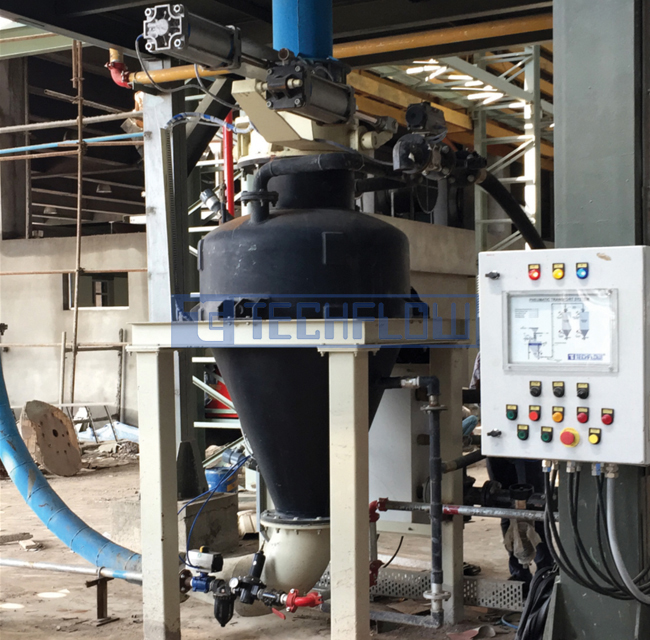
The Dense Phase Pneumatic Conveyor system uses compressed air to transport material in a cyclic manner. The material is fed intermittently into a dense conveyor, which is a cylindrical pressure vessel with a conical bottom. The material is discharged into a receiving hopper via a rotary vane feeder. A bag filter may be added to the air exhaust, which ensures that the dust concentration is less.
Developed for pneumatic conveying of dry powders and granules, the Dense Phase Pneumatic Conveyor System utilises a series of valves to regulate air pressure and velocities, ensuring smooth and reliable conveyance of product. Its design allows for high-capacity and long-distance conveying, thanks to a panel of air control valves. The system uses a high-pressure compressed air supply to overcome the pressure drop caused by difficult materials, while low convey velocities extend the service life of the unit.
What is Flow rate in Dense Phase Pneumatic Conveying System?
A dense phase pneumatic conveying system is a type of air conveyance that carries material under high pressure and low velocity. These systems are ideal for conveying abrasive, friable, and granular materials, and also have the advantage of long-distance transport. In addition, these systems offer superior product and equipment protection, since they use a relatively low amount of air. Divert valves along the conveying line control air velocity and prevent air leaks.
Flow rate of dense phase pneumatic conveyed material in India is important in the process of handling granulated sugar and fly ash. A typical conveying air velocity of 1000 ft/min will not cause the materials to stick to the pipe walls. In fact, these systems are so efficient that they can move a wide range of materials, even the smallest ones. However, the higher the air velocity, the higher the conveying pressure, and the greater the flow rate.
What is Suitable Particle size for Pneumatic Conveying System?
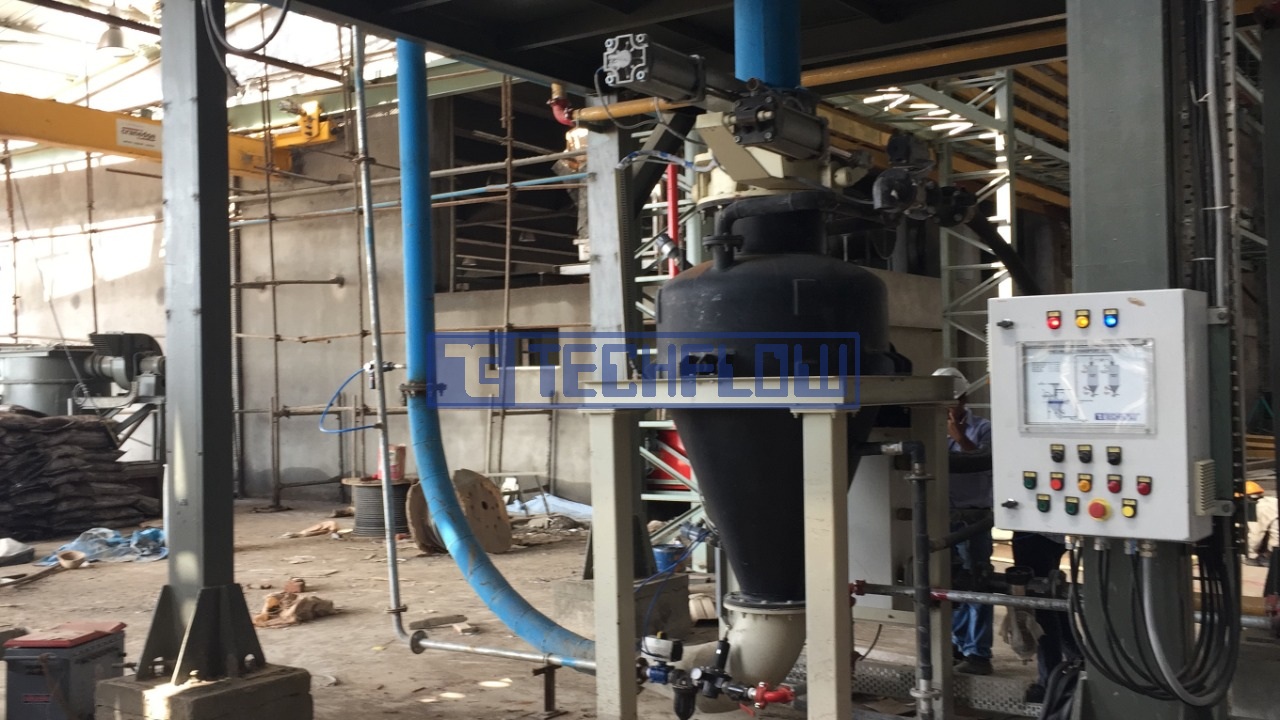
A dense-phase pneumatic conveying system uses high air pressure and low volume to transport a specific bulk material. The system is suitable for high-capacity conveying, long-distance conveyance, and various types of material. The system uses no moving parts and is easy to operate. Typical requirements include a compressed air source and electrical power. Particle size and gradation of the product are the most important factors to consider when selecting a dense-phase pneumatic conveying system.
Dense-phase pneumatic conveying systems move materials in a concentrated manner along the bottom of the pipeline. These systems can move materials in fluidized, strand, or slug modes. The system's large capacity and high-performance features make it the ideal solution for processes that change the dissimilarity of the materials frequently. Its control systems are based on a PLC-based control panel.
What are the Applications Dense Phase Pneumatic Conveying System?
Difficult materials can be handled in a dense phase design. For example, a dense-phase system can handle high throughput over long distances, allowing for smaller line sizes. These systems also feature fewer moving parts and require less labour and maintenance. This type of system can be operated with low power consumption. Choosing the right system can save a company a considerable amount of time and money.
The Bottom Line
When purchasing a pneumatic conveying system, consider its capabilities and limitations. Different materials behave differently in the pipeline. A reputable manufacturer should have a test facility to simulate various materials and conduct conveying trials. The pneumatic conveying system will be an asset to the venture, so be sure to choose one that will fit the requirements of your particular venture.