
There are several different types of dust collectors for the food industry. These include Pulse jet dust collectors, Automatic discharge dust collectors, Bag filters, and wet-type dust collectors. The type of dust collector you need will depend on your requirements and the environment in which you work. If you have a large amount of debris and a limited budget, an automatic discharge dust collector is an excellent choice.
Pulse Jet Dust Collectors
Pulse jet dust collectors for the food industry can reduce harmful airborne particles, improve the quality of a finished product, and reduce the risk of employee illness. While not every industry needs such a system, food and agriculture are common applications for these types of systems. In addition to these two sectors, pulse-jet baghouses can be used in cement production and animal feed pellet production.
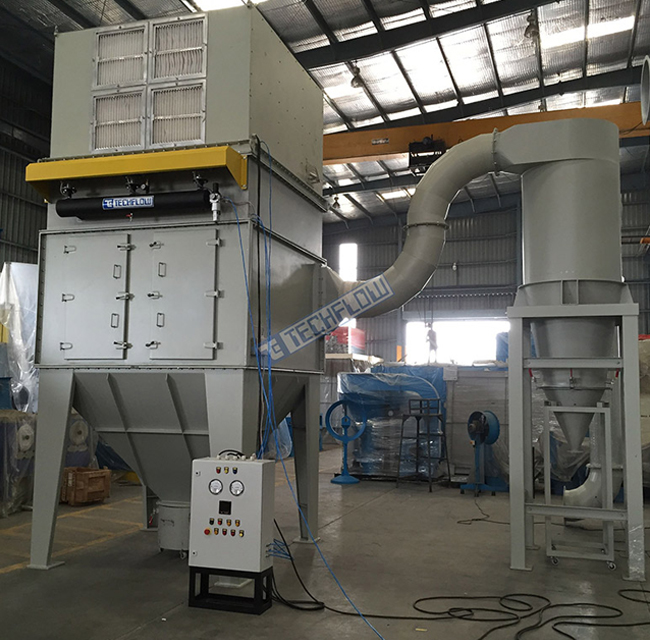
These dust collectors work by pumping compressed air into the filter bags. The compressed air flows through the bag filters, cleaning them with short bursts of air. This process is controlled by a timer control board and an enclosure containing a solenoid or diaphragm valve.
The first step in implementing a dust collection system is to evaluate the area in which the dust is produced. This will help determine whether a dust collection system is appropriate for the facility. The best solution depends on the scope of the project and the amount of space that will be dedicated to dust collection.
Pulse jet dust collectors are versatile, handling a variety of media and temperatures. They are able to handle a variety of gas stream chemistries and can handle a range of temperature and pressure. They are available in a variety of housing styles and are made from a variety of metals. They can also meet food grade requirements, including chemical compatibility and abrasion resistance.
One of the most important aspects of a pulse jet dust collector is the differential pressure. This is important because the resistance builds up as dust cakes on the sides of the filter and makes it harder for air to move through it. This differential pressure is determined by measuring the pressure difference between the clean and dirty sides of the filter. When this pressure reaches too high a level, compressed air is released through a venturi valve.
Another benefit of jet dust collectors is that they minimize the amount of air particles in a room. This ensures that workers and equipment remain safe, and the air that they breathe is clean at all times. This means better employee performance and lower absenteeism.
Automatic Discharge Dust Collectors
The food industry is a complex one and requires efficient dust collectors. These collectors are used in the transportation and storage of large volumes of products. They must address issues such as cross contamination, hygiene, and explosive atmospheres. Donaldson has a variety of dust collectors that are designed specifically for this industry. In particular, the company recommends "source collection" designs for conveyor applications, as these require less ductwork and discharge systems. This leads to lower purchase and energy costs.
In the food industry, it is important to maintain the proper hygiene standards of the processing facility and warehouse. For this reason, it is vital to consider hazard analysis during the design phase. The analysis should continue throughout the entire process life. This can help ensure the optimal level of safety for all employees and the environment.
The food industry generates a large amount of dust during the weighing and packaging process. This airborne dust can damage electronic equipment and cause equipment failure. This is why proper dust collection is crucial to reduce these risks and maintain compliance with HSE regulations. Because the size and composition of the dust particles varies depending on the processed ingredients, it is essential to understand the specific requirements of the application and the processing equipment. The right extraction solution will ensure the safety of both the production environment and the employees.
Dust collection systems have become an integral part of several manufacturing and industrial operations. They are required by the Occupational Safety and Health Administration, the National Institute for Occupational Health and Safety, and the Centers for Disease Control. By implementing a proper dust collection system, companies can stay compliant and avoid costly fines and legal penalties.
Automatic discharge dust collectors are a necessary addition to a food processing facility. The food processing industry produces a large amount of airborne dust, which is spread throughout the production facility. These airborne dust particles can be dangerous and even endanger the lives of employees.
Wet-type Dust Collectors
Wet-type dust collectors are a relatively new technology for the food industry. However, they've been in use for 40 years in other industries, mainly in hazardous industries. These systems protect against fire and explosion hazards in food-processing environments. Because food-processing dusts are highly flammable, they are particularly important to protect employee safety. Wet-type dust collectors for the food industry are commonly found as cartridge-style systems. These systems require frequent filter changes, explosion venting, and exhaust considerations.
Most wet-type dust collectors are powered by electrical motors. Some are battery-powered, while others use a power cord. Filter systems for these systems vary from manufacturer to manufacturer, but the most effective ones have high efficiency particle filters. Manufacturers of these systems can provide filter systems that are specifically designed for the food industry.
For the food industry, the most important consideration is the safety of employees and equipment. Combustible dust is the most dangerous dust in food processing facilities, and there are many options for protecting workers from it. You can also choose between manual and self-cleaning Industrial Dust Collectors. If you're not sure which type of equipment you'll need, contact a manufacturer directly and ask about their recommendations.
Food industry dust is hazardous to the health of employees, so manufacturers must choose a system that can effectively control the amount of dust and keep the levels at safe levels. The Occupational Safety and Health Administration (OSHA) has established guidelines for limiting exposures to certain amounts of dusts. To meet these standards, processors must select the best dust collection system for their particular needs. Two types of dust collectors are available for this purpose, wet-type and dry-type dust collectors. Both have their own benefits.
Wet-type dust collectors are typically comprised of two types: the orifice/impingement wet collector and the internal / venturi wet collector. The former uses a large cone-shaped orifice to capture and scrub dust. Water is mixed with the dust as it enters the collector, resulting in a mist. After the water has been removed, the remaining particulate is recycled back into the collector. This system can collect 95% of dust, down to 3 microns.
Bag Filters
The food industry is a complex environment that requires a high level of dust collection. The airborne contaminants generated during processing can threaten the health of workers and the equipment. There are two types of dust collectors: point-of-use and central systems. Point-of-use collectors are generally smaller, safer, and cheaper than central systems. They may also be less efficient, depending on the space available.
Depending on the process, a bag filter can be a highly effective way to protect against contamination in the food processing industry. It can prevent dust from contaminating the food, while also maintaining the hygiene and sanitation of the environment. Some food processing plants choose custom filter bags, while others use fabric ducts or fan covers. Another option is conveyor bags that catch the dust. However, a professional dust collector filter bag is usually the best option.
These air filters typically use a reverse-flow air flow to move dust from one part of the system to another. They are usually tubular in design and have filter cages and plates attached to the bottom. The bottom part of the filter is designed to collect dirty air, while the top part of the bag filters are designed to collect clean air.
Bag filters for dust collectors for the food industry come in a wide variety of types and sizes, and are customizable according to needs. A baghouse is ideal for higher dust loading, while a cartridge dust collector works well in small areas. For a food-processing facility, the micron rating of the filter media is important. It is also important to note that the filter casing is made of stainless steel.
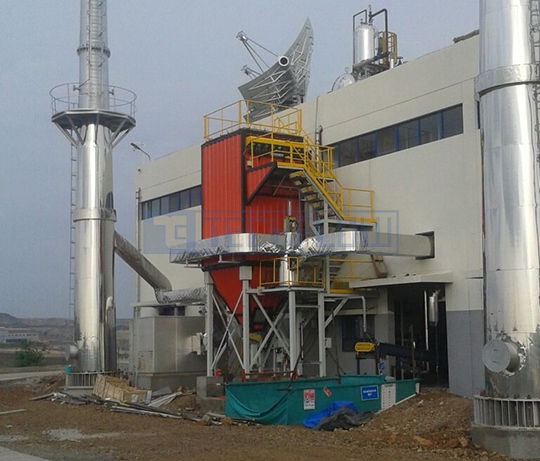
Besides utilizing fabric filters, baghouses also utilize a reverse-flow system. This reverse-flow system draws the air stream through a fabric filter, which catches the dust and other contaminants. Once the process is complete, the cleaned air exits through the baghouse's outlet. The collected particles remain in the filter and settle to the bottom.
Pulse jet bags are another type of bag filter. These have high air-to-cloth ratios and require less space. The disadvantage of pulse jet bag filters is that they have an increased wear on the bag filters.