
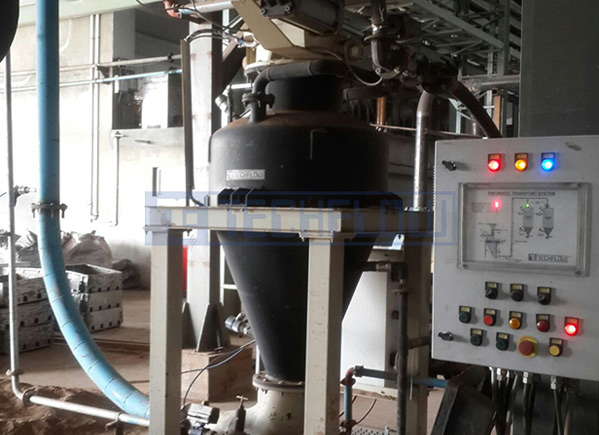
The powder conveying system is an essential piece of equipment for any manufacturing process. The machine carries powders from one location to another in an enclosed pipeline, without the need for manual handling. Depending on the size of the product, a single machine can transport several tons per hour. If the volume of the product is large, more than one machine is required. A single powder transfer system may be used for multiple different products. However, it is necessary to know the differences between these systems.
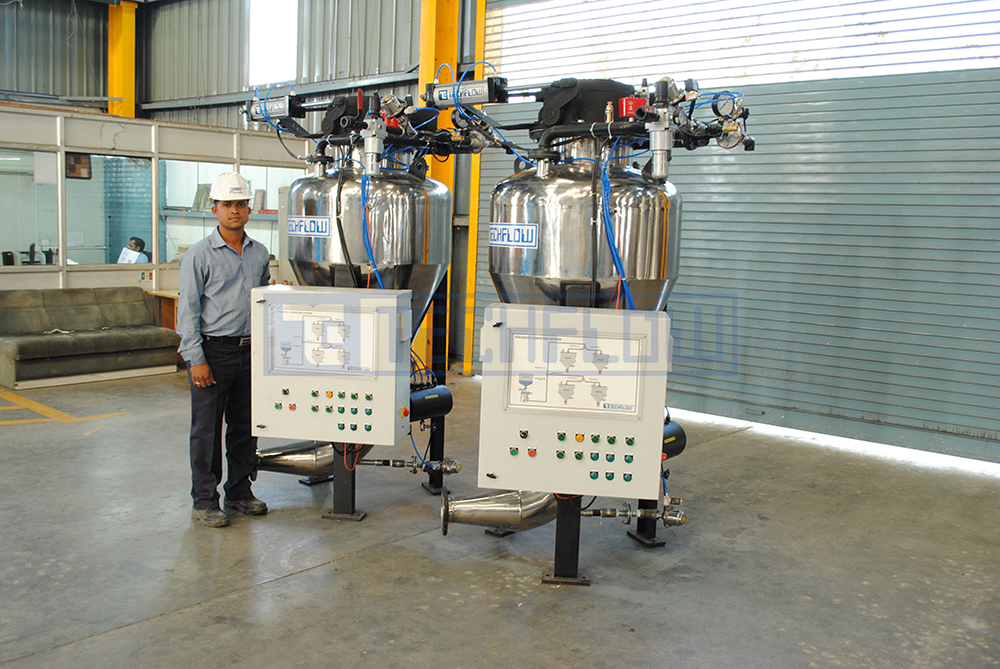
What to keep in Mind before Selecting Powder Conveying System? And Its Benefits
Before selecting a powder conveying system, you need to understand the bulk density of your powder. This information should be available before making a decision. You may want to have your supplier show you a sample of your powder to understand its flow characteristics. Depending on the density of your material, you may need to consider the conveying velocity. Higher bulk density materials will require higher pick-up velocities. The other main factors to consider are size, shape, and cohesiveness.
The size of the pickup point is another crucial factor. A system designed for powder can be configured with a bag dump station, wand, bulk bag unloader, silo, or railcar. The size, shape, and cohesiveness of the powder also affect the speed and efficiency of the process. The correct selection of pickup points will depend on the overall size and bulk density of the material. You should also consider the type of transport.
The distance between pickup points should be considered in choosing a powder conveying system. For example, a vacuum conveyor that discharges into a container is the most efficient option. For these reasons, pneumatic systems are often preferred. They can handle multiple pickup points and blend materials.
In addition to the powder transporting system, the second device is a sliding mechanism that transports powder from one reservoir to another. A sliding mechanism is convenient for this purpose as it allows the operator to adjust the amount of the powder at the second point. In general, a conveying system will have two main parts: a powder reservoir for the first material and a discharger for the remaining. The latter will contain the final product.
A single-stage system is a continuous process that uses a single-stage system. Its design allows the material to move at a constant rate from one pickup point to the discharge point. The second device moves the powder to the receiver. A conveyor is a specialized machine that requires a specific amount of space and will require a conveyor belt. The second part of the conveying system will be a hopper.
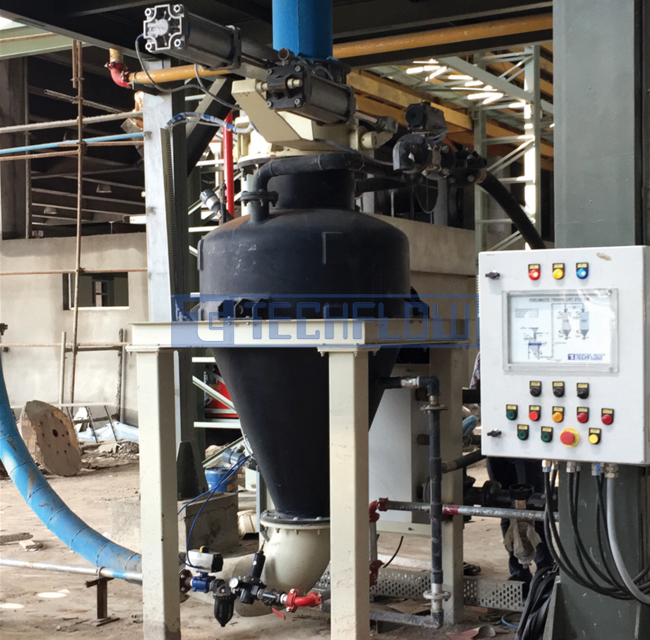
The Bottom Line
A pneumatic system requires minimal maintenance since there are few moving mechanical parts. The system uses uncontaminated compressed air, which contributes to its efficiency. Ultimately, the size of the system will depend on the requirements of the processing process, the number of materials that need to be moved, the material's density, and its flow properties.