

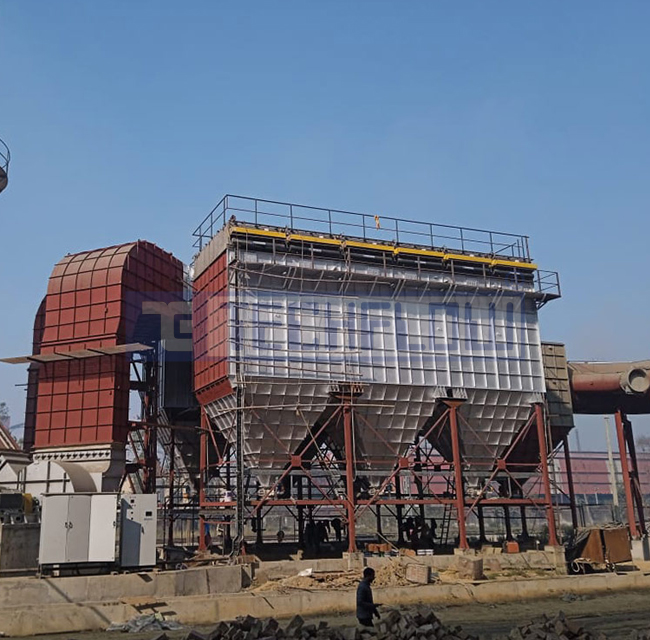
Choosing a Dust Collection System is a critical step in your company's environmental strategy. These systems can protect workers and the environment while preventing a variety of health and safety risks. In this article, we'll discuss how to size your system and how to protect it from explosions. There are several factors to consider when choosing a system. To help you choose the best one, we've listed some of the most common questions and their answers.
How to Choose a Dust Collection System?
Choosing the right dust collection system for your facility requires careful consideration. The cost of the initial purchase, installation fees, and energy costs should fit into your budget. The efficiency of the dust collector you select is also an important consideration. High-efficiency collectors are generally more expensive than standard ones. However, if you're on a tight budget, you can start with a low-cost primary unit. Ultimately, your decision will depend on the amount of dust you generate and the type of material it contains.
Besides size, you should also consider how often the dust is generated. If you're using a bag dumping station, you might need an intermittent-duty dust collector. If the dust is produced continuously, you may need a continuous-duty system. Choosing the right dust collection system will help you ensure clean air quality while maintaining a lower cost. If you have more than one station, you may also need a large dust collection system.
Once you've selected the size and style of your new system, make sure to consider the specific functions that it will perform. Some systems function better when used in tandem with other air quality control strategies. Others may be easier to customize or upgrade. The key to selecting a system is to choose a supplier with a proven track record for quality and customer service. The dust collection system should be compatible with the operating procedures of your facility and its location.

What to Consider when Sizing a Dust Collection System?
There are three major factors to consider when sizing a dust collection system: the type of particulate and its velocity. Lighter particles require lower velocity, while heavier ones require higher velocity. Likewise, low-velocity dust collection systems work best for slow-moving particles. High-velocity systems are best for fast-moving dust, but they require a higher velocity. For this reason, a professional engineer should be consulted for larger-sized systems.
The size of the dust collection system should match the volume of air it will need to collect. The static pressure of the air must be at least twice that of the air coming from the baghouse. For this reason, it's important to measure the airflow volume, which is usually measured in cubic feet per minute. This measurement also takes into account the floor-to-joist distance and duct-sizing. Sizing a baghouse dust collection system, on the other hand, requires determining the number of airflow ports, the size of the ducting system, and the speed of the airstream.
The next factor to consider is the static pressure loss. Depending on the size of the ducting, the static pressure loss will be greater than the CFM flow. In addition, the static pressure loss will be much higher if the duct is a long distance. The best way to determine the static pressure loss is to make a chart of the static pressure losses at each branch. Using these measurements, the shop owner will know what size ducts and air volume to select.
Why Dust Collection System need Explosion Protection?
When designing a combustible dust collection system, manufacturers consider the explosion protection options for the system. These systems contain components that prevent the propagation of flame fronts and overpressures. Explosion protection systems can be divided into two general categories: active and passive. Active protection helps minimize damage to workers and nearby equipment, while passive protection reduces the possibility of an explosion. Choosing the right explosion protection system is crucial for a safe workplace and reduces the risk of accidents.
An explosion can occur from combustible dust if it is allowed to build up on multiple surfaces within a building. The particles can also mix with a small source of ignition, and sometimes self-ignite. In order to prevent an explosion from occurring, you need to know the potential sources of combustible dust in your facility.
A comprehensive explosion protection program can protect you from the risk of a catastrophic event in your process. NFPA 68 covers passive explosion protection, while NFPA 69 defines the methods for active protection. These standards provide guidelines for the selection of explosion protection equipment for different types of process systems. For example, if your systems will be handling flammable liquids or gasses, you should use an explosion protection system with a high Kst value.
The Bottom Line
All the questions and their answers help in installing an efficient and durable dust collection system that will aid in the removal of harmful gases and dust particles from the unit, thus improving the environment and health of both workers and machines.