
Dust collection systems remove harmful particulates and gas fumes to improve worker safety, equipment performance, air quality, and the environment. They also keep facilities in compliance with state and federal emissions standards.
Dust collectors have a variety of filter media options available, including fabric materials such as woven cotton or felted cotton. High-quality filter bags are essential for dust collector operation and efficiency.
Enhancing Workplace Safety and Efficiency
Dust is a common problem in a variety of industries, including metal forming, grinding, and woodworking. It can cause lung irritation and disease, and can also trigger allergies or asthma.
Fortunately, dust collection systems help facilities remove contaminants and eliminate the harmful effect on workers. Additionally, they help reduce energy costs by recirculating heated or air-conditioned air inside the facility.
Dust collectors can also remove odorous contaminants. For odour reduction, carbon-impregnated filters are often used. These systems are also designed to comply with EPA (Environmental Protection Agency) standards, which ensures the safety of employees.
Dust Collectors and Their Impact on Air Quality and Energy Consumption
Dust collectors are equipment that works to minimize dust particle contamination in workshops, plants, and manufacturing facilities. Fabrication industries use processes that release millions of hazardous particles, and to protect workers and comply with EPA regulations, companies install dust-collecting equipment.
Some types of industrial dust collectors can collect a wide range of pollutants and particles, including those that are fine, large, bulky, or abrasive. Choosing the right system depends on the size and density of dust that must be collected, and the quality of air that is filtered by the machine.
The amount of air flowing through a dust collector can vary, and energy costs can also change depending on how much air is drawn from each hood connected to the dust collector. When a dust collection system uses ducts to connect multiple hoods to a central dust collector, the ductwork wastes energy, and a larger fan can be required to transport air to the collector.

The Power of Dust Collectors to Meet Air Quality Standards
When it comes to cleaning the air in your facility, dust collectors are a proven, cost-effective solution. They can help you meet air quality requirements, increase employee morale, and reduce maintenance costs for your equipment.
When a dust collector system is designed properly, it can save you energy by recirculating heated or air-conditioned indoor factory air back through the plant instead of venting it outdoors to the environment. This is hands down the best way to reduce energy consumption and maximize your return on investment with a dust collector.
Dust and other particulate matter in the air is a common challenge for facilities. It can cause respiratory problems in employees and damage the environment. As a result, government regulatory agencies often publish regulations and standards to help ensure a facility’s air is safe for employees and the environment.
The Vital Role of Industrial Dust Collectors in Manufacturing Facilities
Industrial dust collectors help manufacturing facilities meet EPA regulations by controlling the release of pollutants into the air. They remove particulate contaminants from the air, recirculate the cleaned air and prevent contaminant build-up in ductwork and other equipment.
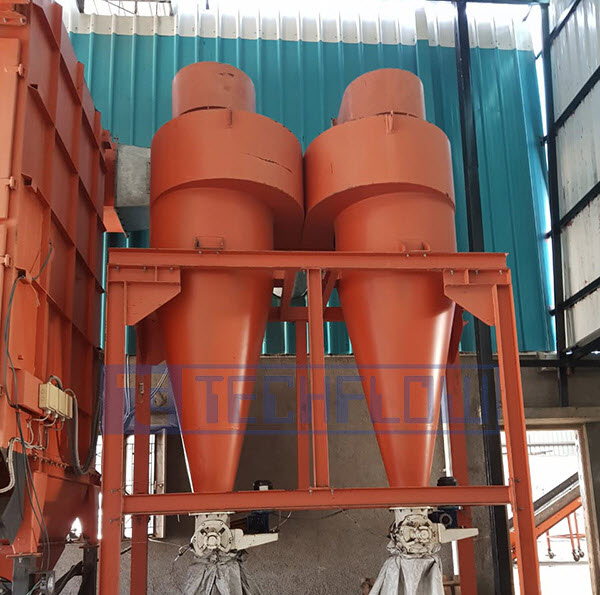
The most common type of dust collector is a baghouse system. It draws contaminated air in through a duct and forces it through fabric filters made of cotton, synthetics or glass fibre. The filtered air exits via a fan.
Many manufacturers of cosmetic products, pharmaceuticals and other chemical compounds produce a high volume of fine dust that must be controlled to protect workers from respiratory illnesses and prevent the spread of contamination to surrounding facilities. Because of this, it is important to install a good quality industrial dust collector. It can help you achieve zero waste by eliminating a major source of pollution.