

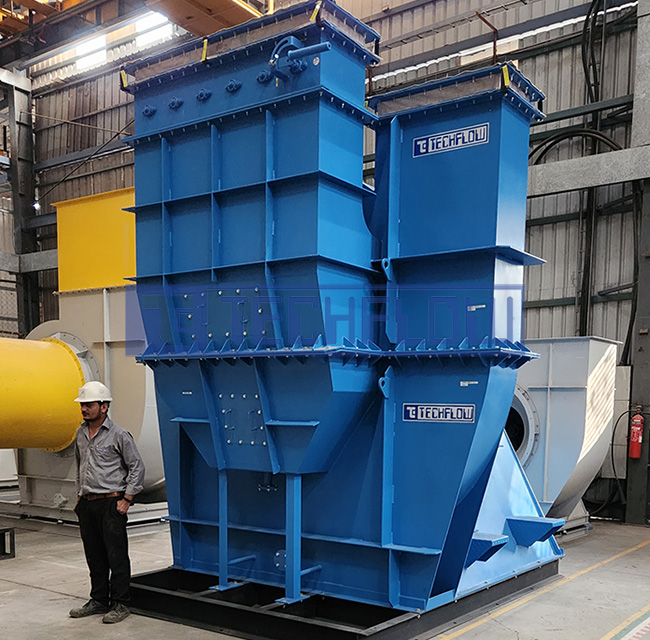
If you operate centrifugal blowers, it's crucial to follow safety precautions and protocols. This will ensure the blower operates safely and prevent accidents or injuries.
There are two primary types of centrifugal blowers. Pressure blowers are created to draw air in a small area and are rated in static pressure water gauges, while volume blowers move air at higher volumes.
Enhancing Safety in Confined Spaces with Centrifugal Blowers
When it comes to working in confined spaces, it's important to keep safety first. A centrifugal blower is an excellent choice when it comes to a high-volume, long-lasting air ventilation solution for your confined space. These industrial fans feature heavy-duty materials and components to withstand harsh environments while providing exceptional performance.
The blades within a centrifugal blower generate kinetic energy that draws in air at a high rate and creates a vacuum. This vacuum cleaner sucks in air from the middle of the blade where the pressure is low. The air then moves towards the outer edge where the pressure is higher and gets released through the fan's outlet.

The Importance of Proper Gear when Operating a Centrifugal Blower
Every operator should know the importance of proper gear when operating a centrifugal blower. If you don't, it can be extremely dangerous and could result in a serious injury or even a hospital visit.
A centrifugal blower works by accelerating air or gas through a radial wheel of curved blades inside a drum-shaped casing. The blades throw off the air at a 90-degree angle. The axial motion of the impeller creates pressure within the fan wheel, which then forces air out of ducts or tubes. The resulting pressure changes the volume of air entering the fan, increasing it as it leaves. Many industrial applications rely on centrifugal blowers to move air or vapour into and out of ducts. One popular application is wastewater treatment plants.
Regardless of the type of centrifugal blower you use, every operator must be prepared to do their job properly. Not only will following these safety measures help keep everyone safe, but it can also protect the equipment and prevent harm to others in the workplace.
Another important consideration when using a centrifugal blower is the occurrence of a surge. A surge happens when the air pressure inside the system becomes suddenly higher than the pressure at the outlet. This is a major problem that can cause the blower to stop working entirely.
Essential Precautions for Operating a Centrifugal Blower
As with any high-powered equipment, eye safety should be the number one concern. While it's essential to wear safety goggles at all times, a helpful tip is to avoid looking downwards when operating the blower. It is important to prevent the possibility of getting hit in the face by a flying branch or twig. It’s even better to completely steer clear of that unfortunate situation. It's all about taking a page from the manufacturer's guidebook and following safety protocols. In addition to eye protection, you should also wear a helmet.
The right kind of helmet will help prevent any accidents that could be life-threatening or costly in the long run. Top-quality helmets provide dual benefits by not only shielding your eyes from airborne particles but also ensuring your comfort throughout.