
The cement industry is one of the largest and most important industries in the world, with a global production of over 4.5 billion tons per year. Cement is used in a wide variety of construction applications, from bridges and roads to buildings and skyscrapers.
One of the key challenges in the cement industry is the efficient transportation of materials. Cement is a fine, abrasive powder that can be difficult to convey. There are two main types of conveyance systems used in the cement industry: mechanical and pneumatic.
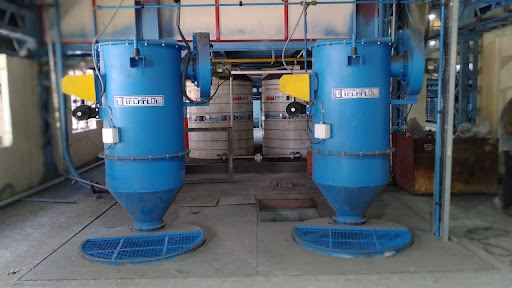
Use of Powder Material in Cement Plants
In the cement manufacturing industry, the powdered materials play a critical role, from the initial raw materials to the final product, and in various intermediate processes like grinding and blending like;
- Raw Material Preparation: Cement production starts with the mining and extraction of raw materials such as limestone, clay, shale, and iron ore. These raw materials are typically in a powdered or finely ground form.
- Crushing and Grinding: The mined raw materials are crushed and ground into a fine powder. This powdered material, often called "raw meal," is a key input for the subsequent processes.
- Clinker Production: The raw meal is heated in a kiln to create clinker, a nodular material that is also in powdered form. This clinker is a crucial component in cement production.
- Cement Grinding: The clinker is further ground into a fine powder, along with gypsum, to produce the final cement product. Powdered additives may also be used to enhance specific properties of the cement.
- Blending and Storage: Cement may be blended with other powdered materials like fly ash, slag, or silica fume to create various types of cement, such as Portland cement or blended cements. These additives are often in powdered form.
- Handling and Transportation: Throughout the production process, powdered materials are transported and handled using conveyor belts, pneumatic systems, and other equipment.
- Bagging and Packaging: The final cement product is typically packed in bags or other containers, and these packaging materials may also involve powdered materials, such as paper or plastic.
Main Types of Powder Conveying Systems in Cement Plant
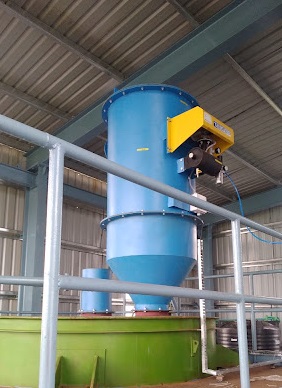
In cement plants, powder conveying systems are used to transport powdered materials, such as cement, raw materials, and additives, from one part of the plant to another. There are several types of powder conveying systems commonly employed in cement manufacturing:
Mechanical Type Conveying:
Mechanical conveying involves the use of equipment like belt conveyors, bucket elevators, and screw conveyors to move materials. These systems rely on mechanical forces, such as belts or chains, to transport bulk materials from one location to another. The equipment used in mechanical conveying systems is robust and well-suited for handling heavy, abrasive materials.
For example; Screw Conveyors, Bucket Elevators, Belt Conveyors, Vibrating Conveyors, Flexible Screw Conveyors, Tubular Chain Conveyors, Drag Chain Conveyors, Screw Pumps
Pneumatic Type Conveying:
Pneumatic conveying, on the other hand, is a method that employs air to transport materials. It is a versatile approach, which can be further divided into two subcategories:
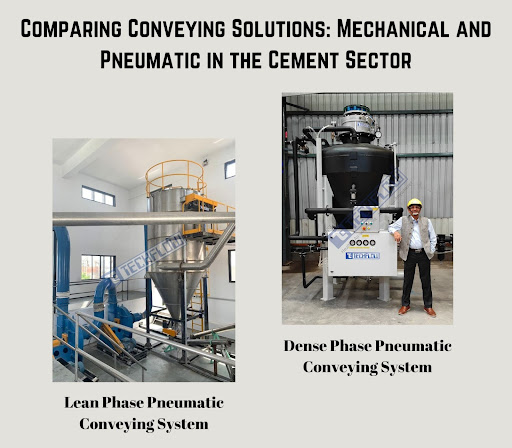
- Dense Phase Pneumatic Conveying: This method uses a low-velocity, high-pressure air stream to convey materials in a dense, concentrated phase. It's ideal for abrasive and fragile materials.
- Lean Phase Pneumatic Conveying: Lean phase conveying utilizes high-velocity, low-pressure air to transport materials in a dilute phase. It is suitable for non-abrasive, free-flowing materials.
Choosing the Right Conveying System for Your Cement Plant
The choice of conveyance system for a cement plant depends on a number of factors, including the type of material being conveyed, the distance to be conveyed, and the required throughput.
Factors to Consider When Choosing a Conveying System
- Type of material being conveyed: Some materials are more difficult to convey than others. For example, cement is a fine, abrasive powder that can be difficult to transport.
- Distance to be conveyed: The distance to be conveyed is another important factor to consider. Mechanical systems are more suitable for shorter distances, while pneumatic systems are more suitable for longer distances.
- Required throughput: The required throughput is also a factor to consider. Pneumatic systems can handle higher throughput than mechanical systems.
- Budget: The budget is another important factor to consider. Pneumatic systems are more expensive to operate and maintain than mechanical systems.
Mechanical Conveying system in Cement Production
Advantages:
- Robustness: Mechanical conveyors are known for their durability and ability to handle abrasive and heavy materials common in cement production.
- Low Energy Consumption: Compared to some pneumatic systems, mechanical conveyors can be more energy-efficient.
- Cost-Effective: Mechanical conveyors are often more cost-effective in terms of initial investment.
Disadvantages:
- Limited Flexibility: Mechanical systems may lack the flexibility required for certain layouts or material transport changes.
- Maintenance Needs: They can require more maintenance, particularly for components like belts and chains that are subject to wear.
- Dust Emissions: Mechanical systems can generate more dust, which can be a concern in terms of safety and environmental regulations.
Pneumatic Conveying in Cement Production
Advantages:
- Versatility: Pneumatic conveying can handle a wide range of materials, from fine powders to granules, with ease.
- Space Efficiency: Pneumatic systems can be more space-efficient, making them suitable for plants with limited space.
- Reduced Dust: Pneumatic systems are often associated with lower dust emissions, which is a crucial benefit in terms of safety and environmental compliance.
Disadvantages:
- Higher Initial Investment: Pneumatic conveying systems can have a higher upfront cost.
- Energy Consumption: Some pneumatic systems may consume more energy, particularly dense phase conveying systems.
- Material Limitations: Certain materials, such as those prone to caking or sticking, may not be well-suited for pneumatic conveying.
Comparing Efficiency in Cement Production
In the cement industry, efficiency is key. Let's compare the efficiency of mechanical and pneumatic conveying systems to better understand their impact on cement production.
Efficiency in Material Transfer:
Pneumatic systems, particularly dense phase conveying, can be highly efficient in transferring materials. They ensure minimal material degradation and offer gentle handling for fragile materials. This is a significant advantage for cement manufacturers looking to maintain product integrity.
Energy Efficiency:
When it comes to energy consumption, mechanical systems can be more efficient in certain scenarios. However, pneumatic systems have made strides in recent years to reduce energy consumption, particularly lean phase conveying systems.
Dust Emissions and Environmental Impact:
Pneumatic systems, due to their closed-loop design and reduced dust generation, have a significant edge in terms of environmental impact. They help cement manufacturers comply with environmental regulations and enhance workplace safety.
Maintenance and Downtime:
Mechanical systems often require more maintenance, which can lead to downtime. In contrast, well-designed pneumatic conveying systems have fewer moving parts and are easier to maintain, contributing to increased operational continuity.
Industry Related Studies and Graph Details
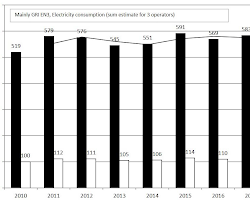
A study by the Engineering Services Hamburg found that pneumatic conveying systems can be more energy efficient than mechanical systems. The study found that pneumatic systems can consume up to 30% less energy than mechanical systems.
The following graph shows the energy consumption of different types of conveyance systems:
Source: mdpi.com
As you can see, pneumatic conveying systems have the lowest energy consumption, followed by mechanical conveying systems and hydraulic conveying systems.
Study 1: Material Transfer Efficiency
A study conducted by the Cement Association of Canada compared the material transfer efficiency of mechanical and pneumatic conveying systems in cement production. The results revealed that pneumatic systems, particularly dense phase conveying, consistently outperformed mechanical systems in terms of material transfer efficiency.
Study 2: Energy Efficiency
The National Ready Mixed Concrete Association (NRMCA) conducted research on the energy efficiency of material conveying in the cement and concrete industry. The study found that while mechanical systems can be energy-efficient, modern pneumatic conveying systems, especially lean phase conveying, have made significant strides in reducing energy consumption. The choice between the two depends on specific operational requirements and priorities.
Both mechanical and pneumatic conveyance systems have their own advantages and disadvantages. The choice of the right conveyance system for a cement plant depends on a number of factors, including the type of material being conveyed, the distance to be conveyed, the required throughput, and the budget.
Lean Phase Pneumatic Conveying Systems
Lean phase pneumatic conveying systems are used to transport materials in a dilute phase. The material is suspended in a high-velocity airstream and transported through a pipeline. Lean phase systems are typically used to transport dry, fine materials, such as cement powder.
Dense Phase Pneumatic Conveying Systems
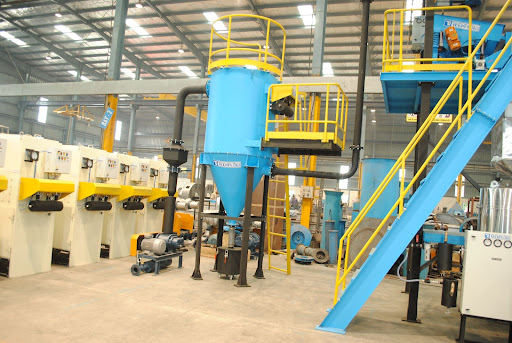
Dense phase pneumatic conveying systems are used to transport materials in a dense phase. The material is conveyed in a plug-like flow through a pipeline. Dense phase systems are typically used to transport materials that are abrasive or that have a high moisture content.
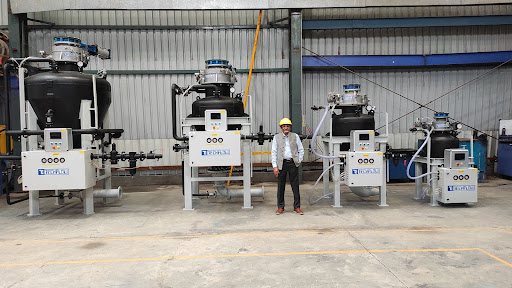
Cement Pneumatic Conveying
Cement pneumatic conveying systems are used to transport cement powder from one location to another. Pneumatic systems are the most efficient and dust-free way to transport cement powder.
Cement Conveying System
A cement conveying system is a system that is used to transport cement from one location to another. Cement conveying systems can be either mechanical or pneumatic.
Which Conveying System is Right for Your Cement Plant?
The best way to choose the right conveyance system for your cement plant is to consult with a qualified engineer. The engineer can assess your specific needs and recommend the best conveyance system for your application.
How Techflow Can Help Cement Manufacturers
At Techflow, we understand the unique challenges of the cement industry and offer tailored solutions to enhance material handling and overall operational efficiency. Our pneumatic conveying systems, including lean and dense phase options, are designed to meet the demanding needs of cement manufacturers.
We provide:
- Pneumatic Conveying Systems: Our systems are versatile and can efficiently transport a wide range of materials used in cement production.
- Customization: We work closely with cement plants to design conveying solutions that align with specific operational requirements and space constraints.
- Energy-Efficient Solutions: Techflow is committed to energy efficiency, and our pneumatic conveying systems are designed to reduce energy consumption.
- Minimal Downtime: We understand the cost of downtime in cement production. Our systems are engineered for minimal maintenance and maximum operational continuity.
The Final Word: Making the Right Choice
The choice between mechanical and pneumatic conveying systems in the cement industry isn't one-size-fits-all. Cement manufacturers need to carefully consider factors such as material characteristics, space constraints, energy efficiency goals, and environmental regulations when making their selection.
Efficiency and adaptability are key, and while both systems have their merits, pneumatic conveying systems, particularly dense phase conveying, are increasingly becoming the go-to choice for cement production.
Techflow is ready to partner with cement manufacturers to provide efficient, customized pneumatic conveying solutions that align with industry best practices, environmental standards, and the unique needs of each plant.
For more information on how Techflow can assist in optimizing your cement material handling, contact our team of experts today.
FAQs:
Mechanical conveying relies on physical mechanisms like belts and screws to move materials, while pneumatic conveying uses air pressure to transport materials in a closed system.
Modern pneumatic conveying systems, especially lean and dense phase pneumatic conveying, have made substantial progress in reducing energy consumption. The choice depends on specific operational priorities.
Consider factors like material characteristics, space constraints, energy efficiency goals, and environmental regulations. Efficient and adaptable pneumatic conveying is often the preferred choice for cement production.
Techflow provides customized pneumatic conveying systems that meet the unique needs of cement plants, focusing on energy efficiency and minimal downtime.