
Whether you're buying your first dust collector or are looking for ways to improve your existing system, there are some common mistakes people make that can lead to headaches and unnecessary spending.
The most common mistake is underestimating the airflow. This is the most important factor in determining your dust collection system's performance and efficiency.
Optimizing Airflow in Dust Collectors
When selecting a dust collector, it is important to get the airflow right. The airflow is calculated based on the area that you want to collect and the proper speed of the air.
Underestimating the airflow can have a major impact on performance and maintenance costs. Also, it can be a safety risk when workers are exposed to high levels of dust and particulates.
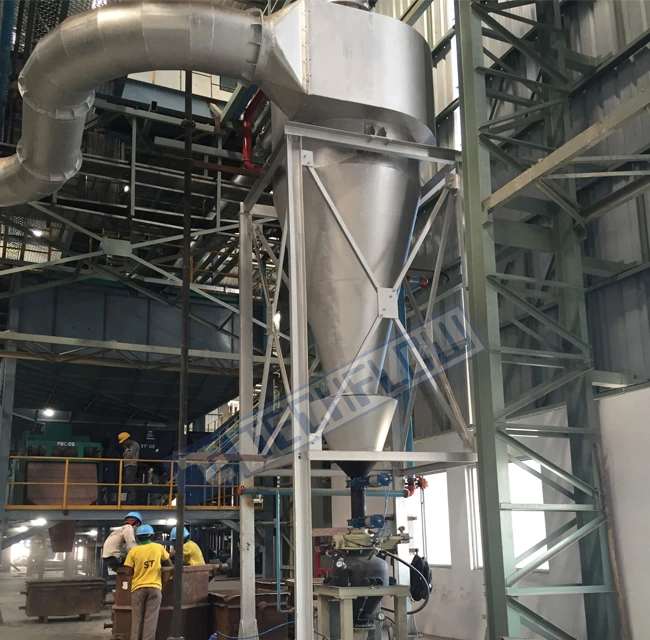
Dust collectors typically have a blower that pushes air through the filter and out into the environment. The airflow must be sized appropriately for your application, ductwork and static pressures.
Dust collectors play an important role in a variety of industrial processes. They reduce airborne dust and debris by capturing and filtering a large amount of contaminant particles.
When selecting a dust collector, it is imperative to take into consideration the maintenance needs. An undersized or inadequately-fitting unit will create numerous performance and energy costs, as well as other issues. Choosing the right unit for your specific workplace will increase employee efficiency and production, preserve equipment, and lower maintenance and replacement costs. This can help your business grow faster while minimizing risk.
The most important consideration when choosing a new dust collector is where to put it. This can be a tricky business and it's often best to consult an architect or shop owner who knows their stuff. Having a good idea of where you're going to place your dust collector will make all the difference in achieving a smooth, dust-free workspace. It also gives you a better understanding of how much your investment is going to cost.

Total Cost of Ownership for Dust Collectors
While a dust collector purchase may be considered an initial capital expense, operating costs such as replacement filters or parts, lost production due to downtime and energy consumption should also be factored into the equation. It’s important to know what these costs will be as well as how long they will last to avoid making a buying decision that could end up costing a facility more over time than necessary.
A good dust collector supplier will be able to offer recommendations and advice on how to best calculate the total cost of ownership for your specific application. Then, they will work with you to ensure that you get the right system for your needs at the best price. The result is a safe working environment and increased operational efficiency.