
There are several options when it comes to furnace fume extraction systems. These options include bag-house filters, ID fans, and others. For more information, contact Techflow Enterprises Pvt. Ltd. we well versed in the field and have the expertise to guide you through the process.
What is Furnace Fume Extraction System?
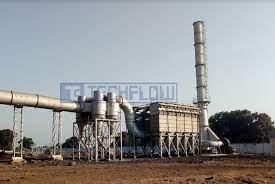
A furnace fume extraction system is a specialized piece of equipment that is used to filter airborne particles and collect fumes from exothermic reaction furnaces. These systems are installed to protect people, machinery, and the environment from hazardous substances. They are also used in CNC plasma cutting and laser cutting operations to capture and filter cutting fumes. Most furnace fume extraction systems include a pulse jet dust collector, a travelling suction hood, and a gas cooler.
An EAF or Electric Arc Furnace is a type of furnace that produces fumes when it melts metal. This type of furnace uses a side draft or top draft suction hood to extract the fumes. This hood collects the fumes, which are then directed to a gas cooler and a spark arrestor.
A secondary furnace fume extraction system is a secondary system that is used for pouring and scraps charging. These systems can be combined with an air pollution control system or a pulse jet bag filter. A secondary fume extraction system can be used for a wide range of applications, from the melting of metal to the pouring and scrap charging processes.
A furnace fume extraction system reduces air pollution and helps to minimize the spread of infectious diseases. The high-quality air produced by this equipment ensures that workers can stay healthy and safe while performing their jobs. It minimizes the risk of respiratory infections, as well as other illnesses.
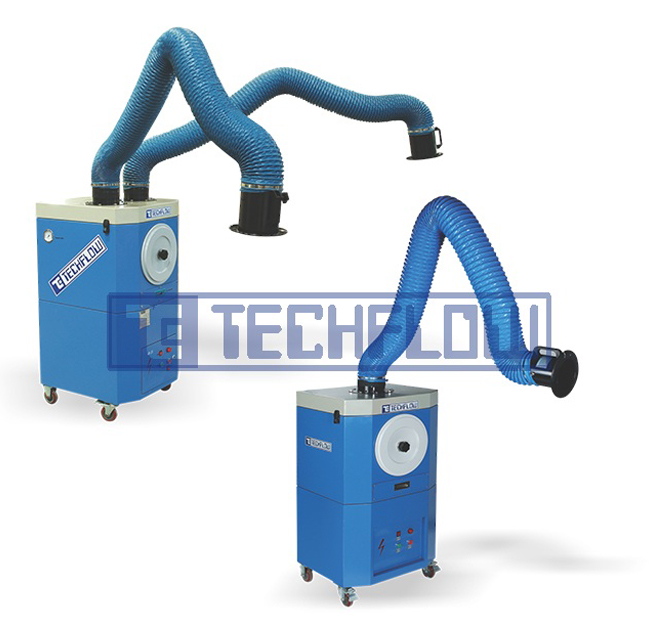
ID Fan in Furnace Fume Extraction System
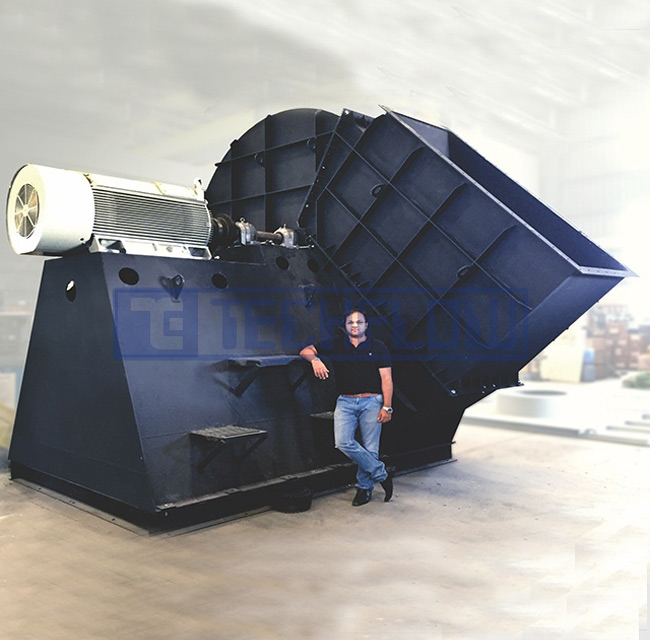
A furnace fume extraction system is a good way to reduce emissions from your furnace. It contains a centrifugal ID fan, a swivel hood and a bag filter. These systems are approved by the Central Pollution Control Board and the Gujarat Pollution Control Board.
There are two main types of furnace exhaust fans – FD Fan and ID Fan. The ID Fan is a fan that pulls out flue gases from the furnace while the FD Fan supplies air to the furnace for combustion. While both fans are used for the same purpose, ID fans have higher power ratings and capacity.
Typically, the ID fan is located between the chimney and the dust collector. Its purpose is to draw hot flue gases from the furnace and exhaust them to the chimney. An induced draft fan creates negative air pressure, often as low as -10 mm Hg. The air is then forced up a chimney or stack and discharged into the atmosphere. This helps facilitate the combustion process.
The induced draft fan can be configured to provide a fixed or variable suction. It may be located upstream or downstream of a bag-house filter. This allows filtered exhaust gases to flow through the stack and outside into the atmosphere.
Bag-house Filters for Fume Extraction
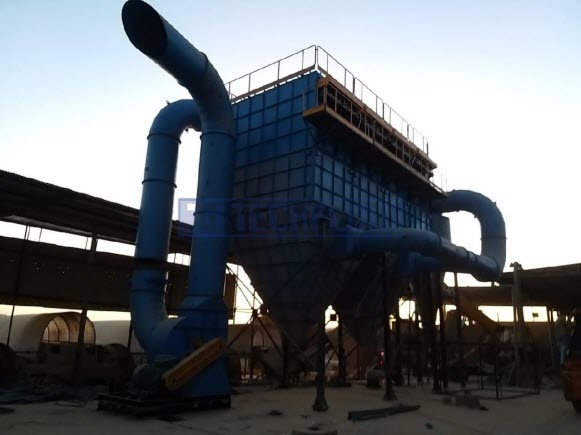
Bag-house filters are a highly efficient way of collecting particles from a furnace fume extraction system. They typically achieve particulate collection efficiency of 99% or higher. This is achieved because dust particles strike the fibers at a perpendicular angle to the gas stream. This means they do not change direction with the gas stream, increasing their chances of making contact with the collecting surfaces. This is further enhanced by the use of electrostatic forces, which also increase the chance of dust capture.
Filters used in a bag-house system are usually made from paper or other porous materials. A high-quality baghouse filter is not likely to be damaged by high temperatures or high pressure. It should be able to absorb as much air as possible. The higher the filtration efficiency, the better.
The particle size of the baghouse filter can be measured using a micrometer scale. These measurements are used to determine the efficiency of the system. If the filtration efficiency drops below a predetermined level, the filter will be cleaned. It is possible to clean the filter by washing its outer surface with a back flush gas such as nitrogen. The back flush valve is then closed. The filter is then ready for the next round.
Baghouse filters are versatile and effective air pollution control equipment. They are designed to meet the needs of many different industries, including pharmaceutical, chemical, and sandblast shops. They are designed for varying size and types of bags and can be tough enough to handle rough applications. Their main disadvantage is that they only work well in a relatively dry environment, and they are inefficient when dealing with very high dust loads. Baghouses can also collect other pollutants if they are treated with the proper fabric coatings.
What to Keep in Mind when Using Furnace Fume Extraction System?
When using a furnace fume extraction system, it is imperative to know the correct airflow rate and volume for proper operation. These emissions are corrosive, and it is essential to protect the surrounding areas and operators from potential health hazards. The sensors installed combine the efficiency of a scavenger ring with a high-capacity air filtration system.
This system monitors the concentration of gaseous hydrochloric acid and prevents it from escaping into the atmosphere. It also keeps the process chamber under positive pressure to prevent gaseous hydrochloric acid from entering the furnace. By combining the sensor with a control chamber, this system allows for a safe process while controlling gaseous hydrochloric acid concentrations in the process chamber. By using a predefined split range control profile, the controller can ensure that the exhaust fluids do not reach the air stream.
Damper in Furnace Fume Extraction System
In order to control the flow of exhaust gases from a furnace, a controllable damper must be installed. The controllable damper adjusts the pressure in the exhaust duct in response to a monitoring signal. It is equipped with a sensor that detects electromagnetic radiation through the openings in the furnace. The sensor sends a signal to a processor that generates a monitoring signal based on the intensity of electromagnetic radiation.
In the melting cycle, considerable amounts of fumes are evolved in the vicinity of the electrodes. The hood should be placed as close as possible to the electrodes. The hood's openings should be situated proximate perforations on the roof. The hood is constructed to raise and pivot with the roof, so that it catches the fumes as they are evolved.
To control draft and exhaust emissions, a damper can be installed on a furnace's exhaust system. In order to do so, you must first determine where the draft regulator will be installed. Some regulators will come with a weight installed in the vertical flue, while others are designed with the adjustment weight located in the left-hand slot.
The Bottom Line
Furnace Fume Extraction System offers a number of benefits over other fume extraction systems. This unit offers advanced triple layer filtration that effectively strips the air of chemical and solvent particulates. It uses filters to capture particulates and activated carbon media to adsorb VOCs. This unit also has double the carbon media load of other fume extractors, which helps it provide longer periods of protective fume extraction while also requiring less energy. It is compatible with a variety of furnaces and comes with good controls to assist the user.