
Smart Air Filtration Solutions for Mining & Mineral Processing
Mining and mineral processing plants handle large amounts of dust, especially in areas such as crushing, screening, and material transfer. Managing this dust is important not only for meeting environmental norms but also for keeping operations stable and efficient.
Among the different technologies available today, Pulse Jet Bag Filters are widely used because they can handle heavy dust loads and run continuously without interruption.
Major Dust Generation Points in Mining Plants
To control dust properly, it is important first to identify where it is coming from.
Crushing and Screening Units
Crushers and vibrating screens are constant sources of dust. The breaking and movement of material create fine particles that easily become airborne and need to be captured effectively.
Conveyor Transfer Areas
When material moves from one belt to another, dust is released due to impact and speed. Poor sealing in these areas makes the problem worse.
Grinding and Milling Operations
Dry grinding produces very fine particles, which are harder to capture and require efficient filtration systems.
Material Handling and Storage
Dust is also generated during loading, unloading, and in stockyards. These emissions may not be constant but can be intense depending on weather and handling conditions.
Why Conventional Dust Collection Systems Fall Short
Standard dust collection systems often struggle in mining environments due to harsh working conditions, such as:
- High and changing dust levels
- Abrasive nature of particles
- Continuous operation requirements
- Exposure to moisture and temperature changes
- Limited maintenance access in remote areas
Because of these challenges, mining plants need systems that are strong, reliable, and built for continuous use.
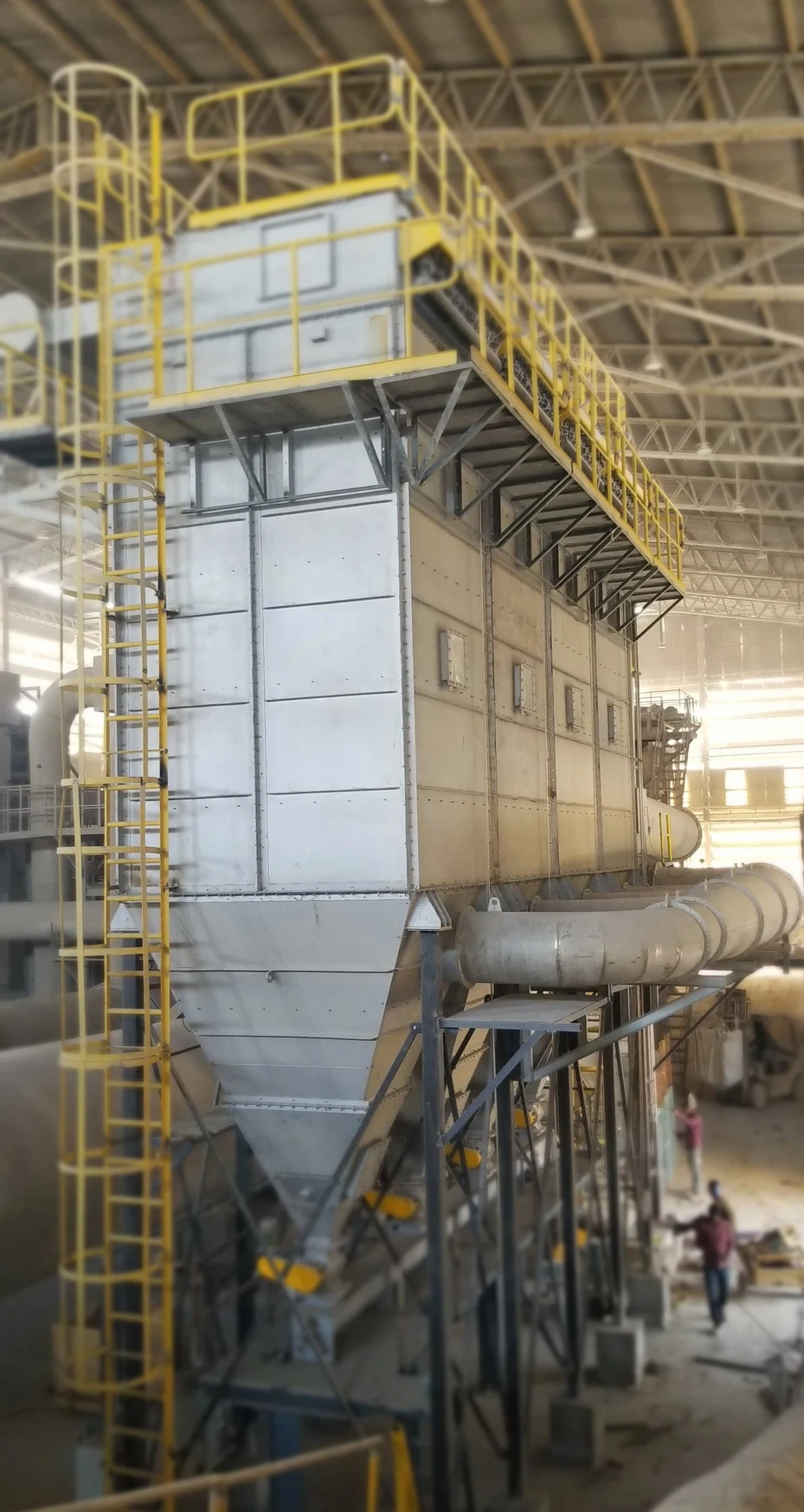
How Pulse Jet Bag Filters Work
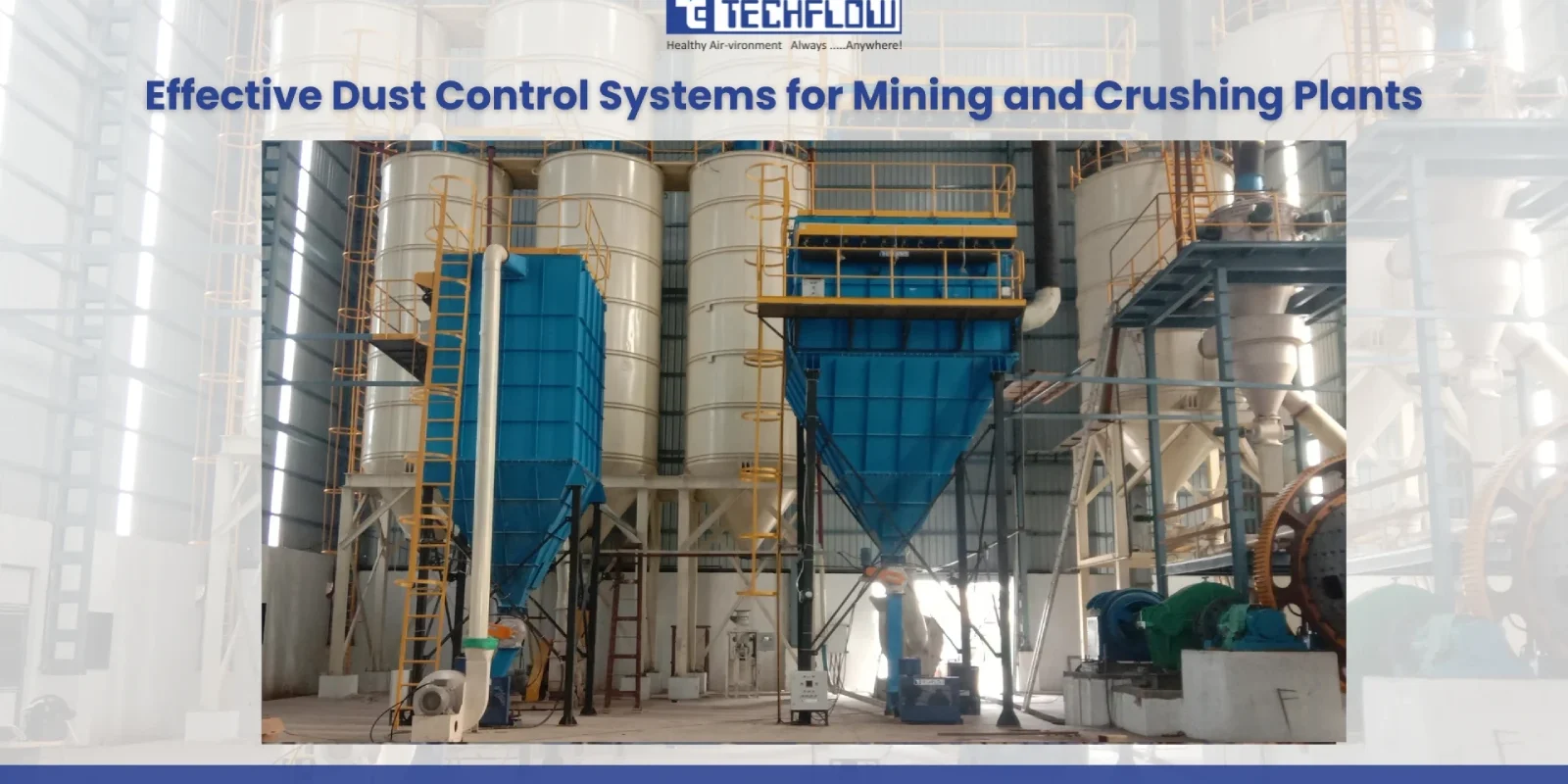
Pulse Jet Bag Filters use surface filtration to capture dust. Dust-laden air passes through filter bags, where particles stay on the outer surface while clean air moves out.
Cleaning happens through short bursts of compressed air, which remove the dust from the bags and collect it in a hopper. This process happens while the system is running, so there is no need to stop operations.
Key Benefits in Mining Applications
High Filtration Efficiency
Well-designed systems can bring emission levels below standard limits and maintain consistent performance.
Continuous Operation
The cleaning process does not require a shutdown, making it ideal for plants that run around the clock.
Compact Design
These systems can handle more air in less space, making them suitable for plants with space limitations.
Handles Variable Dust Loads
They perform well even when dust levels change during operations.
Lower Maintenance Cost
With proper design, the system offers longer filter life and reduces maintenance needs.
What Makes a High-Performance System
The real difference lies in how the system is designed and built.
Filter Media Selection
Using strong and abrasion-resistant fabrics improves durability. Special coatings like PTFE can improve performance further.
Airflow Design
Proper inlet design helps reduce dust impact on filter bags and improves their life.
Strong Construction
Heavy-duty structures and wear protection are needed to handle tough mining conditions.
Efficient Dust Discharge
A well-designed hopper system prevents dust buildup and keeps operations smooth.
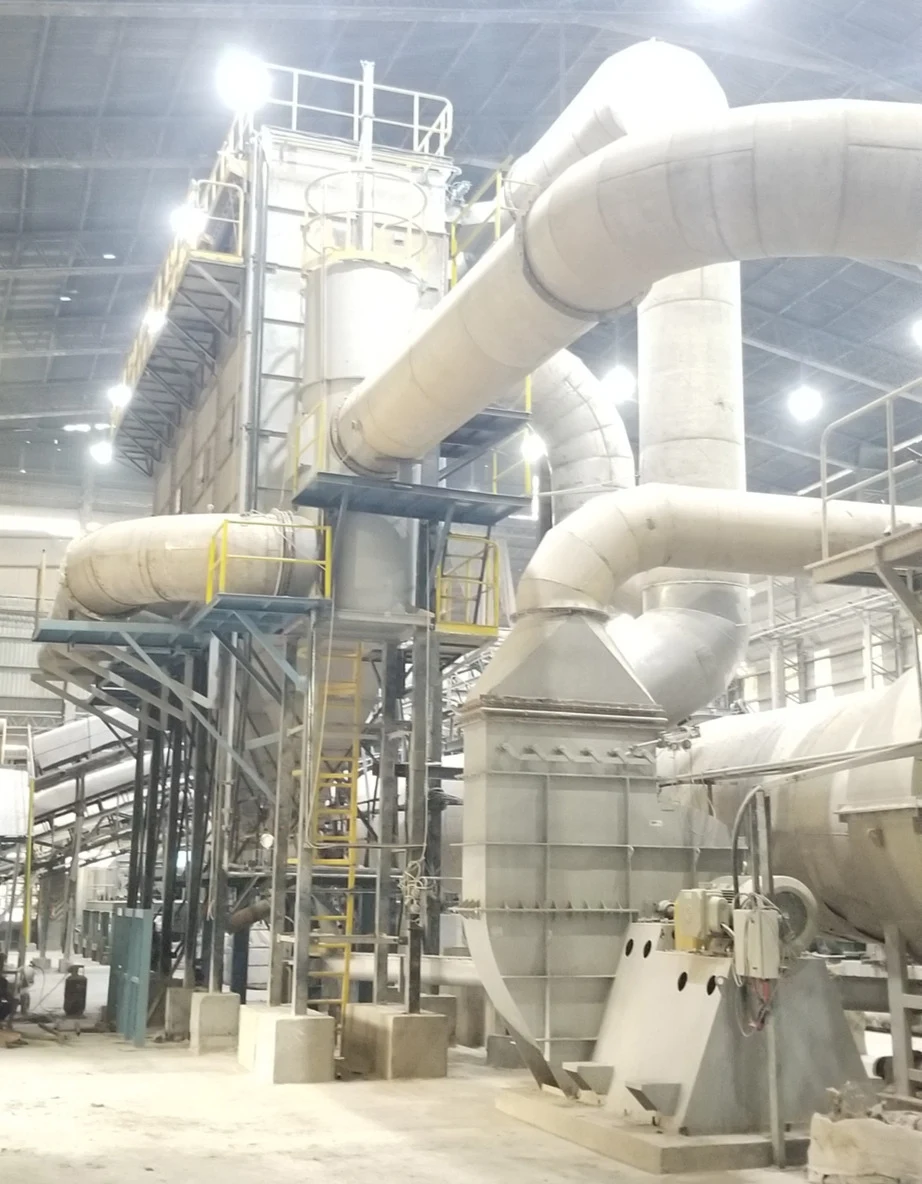
Fan Integration
Matching the system with the right industrial fan improves airflow, efficiency, and stability.
Where These Systems Are Used
Pulse Jet Bag Filters are commonly used across different areas in mining plants, such as:
- Crushing and screening units
- Conveyor transfer points
- Grinding and processing sections
- Dry material handling systems
- Loading and unloading areas
Depending on the plant setup, systems can be designed as centralised or decentralised units.
Real Impact in Mining Operations
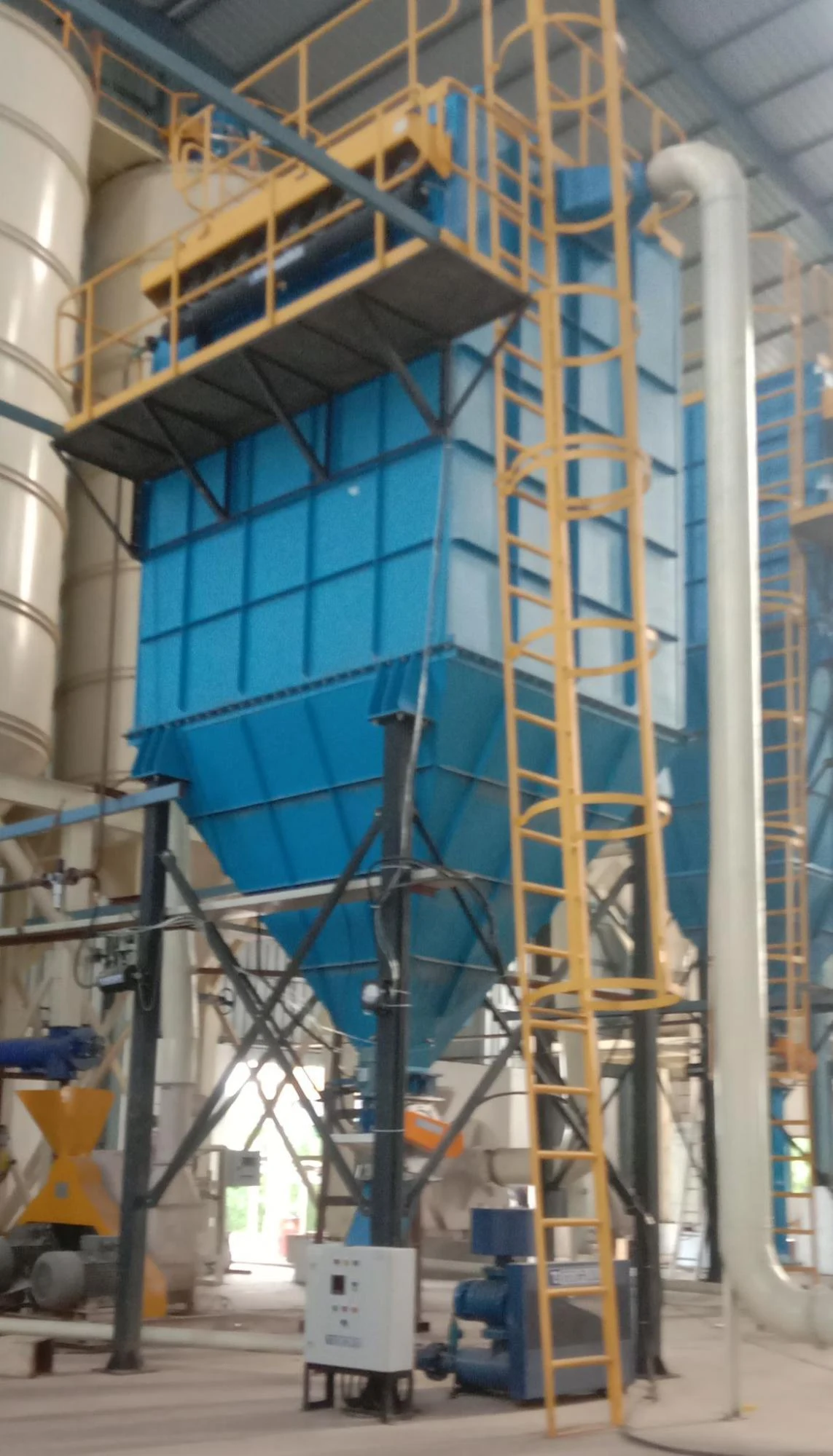
In one mineral processing setup handling high silica material, dust was creating serious issues like:
- Failure to meet emission norms
- Faster wear of equipment
- Poor visibility in the workplace
After installing a properly designed Pulse Jet Bag Filter system:
- Emission levels dropped significantly
- Equipment maintenance reduced
- Working conditions improved
- Collected dust was reused in the process
This shows that a well-planned dust collection system improves both compliance and productivity.
Business Benefits Beyond Compliance
A good filtration system offers more than just dust control:
- Better Equipment Life: Cleaner systems reduce wear and tear
- Improved Safety: Lower dust exposure for workers
- Material Recovery: Captured dust can be reused
- Environmental Responsibility: Helps meet global standards and expectations
For mining companies, these benefits directly support long-term growth and operations.
Conclusion
Dust control is no longer just an added feature in mining plants—it is a core part of smooth and responsible operations.
Pulse Jet Bag Filters continue to be a trusted solution for dust collection in mineral processing due to their efficiency and ability to run continuously.
However, the real performance depends on proper system design. A well-engineered solution not only controls dust but also improves overall plant performance and reliability.
Frequently Asked Questions (FAQs) :
A dust collection system is used to capture and remove dust generated during mining and mineral processing activities like crushing, screening, and material handling. It helps maintain clean air and supports smooth plant operations.
Dust control is important to meet environmental norms, protect worker health, and reduce wear and tear on equipment. It also improves visibility and overall working conditions inside the plant.
Pulse Jet Bag Filters are filtration systems that use fabric bags to capture dust from air. They clean themselves using compressed air pulses, allowing continuous operation without stopping the process.
Dust-laden air passes through filter bags where particles are trapped on the surface. Periodic bursts of compressed air remove the collected dust, which falls into a hopper for disposal or reuse.
They are commonly used in:
- Crushing and screening units
- Conveyor transfer points
- Grinding and milling sections
- Loading and unloading areas
- Storage and stockyard zones
Some key advantages include:
- High dust removal efficiency
- Continuous operation
- Ability to handle heavy dust loads
- Lower maintenance needs
- Compact design
Yes, well-designed systems can handle varying dust loads and changing process conditions without affecting performance.
Common challenges include abrasive dust, high dust volume, moisture, temperature changes, and limited maintenance access in remote locations.
Reducing dust buildup helps equipment run smoothly, lowers maintenance frequency, improves visibility, and allows recovery of useful material.
Key factors include:
- Type and volume of dust
- Plant layout
- Operating conditions
- Filter media quality
- System design and airflow