
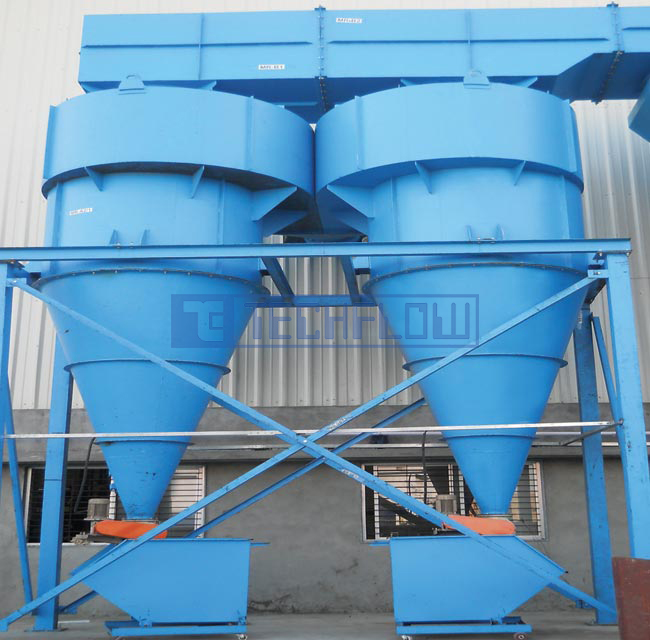
Dust collection systems are designed to purify the air by removing dust particulate. They are widely used in different industries. As a result, a wide variety of dust collectors are available in different types at TECHFLOW. And, to narrow down your search, some important factors need to be considered.
Needs for Dust Collection
Every dust collection solutions scenario can be different. It is critical to understand the dust you generate and processes that generate that dust. Before deciding the required air volume to control the dust, it is important to capture different needs in the operational process. Knowing the details of your operating procedure will help you in making better purchase decision and choose the right dust collection system based on your needs.
Customized Dust Collecting System
Today, a variety of dust collection solutions are available in the market- such as Dust Collection Systems, Fume Extraction and Filtration System, Centrifugal Blower and Pneumatic Conveying Systems suitable for different types of applications. A one size dust collectors with standard features might not meet the specific requirements of each customer. It is important to check whether the supplier provides customized dust collecting system with features you need or not. Many times the space constraint on the floor or height might need the dust collector customization so it is important to check if the supplier provides such modifications or not.
Type of Application
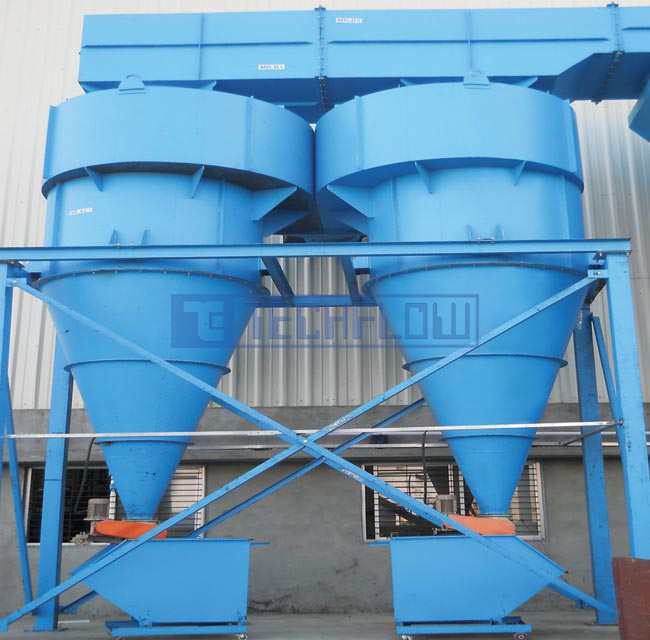
Striking the right balance between collector design and your process can help in reducing equipment cost as well as operating cost. Moreover, you can save capital by dedicating collectors for certain parts of the process instead of centralizing dust collection system for the overall process. It is vital to know the utility requirement to operate the dust collector.
Easy Installation of Dust Collectors
The basic factors to be considered for the easy installation are the size of the dust collector and the location where the collector needs to be installed. Some other important factors that contribute to the ease of installation are knowing the process, localizing dust collection and minimizing the size of the collector. Moreover, a quick look at the manual before the installation of the dust collection system can help in identifying the necessary tools for the installation.
Understanding Dust Collection Solutions Working Principle
One of the most important aspects of dust collection systems is their working principle. The collection process involves pushing the dust from the carrier medium to the separation interface. The process is called centrifugal force, and the more the dust moves to the separation interface, the more concentrated it becomes. As the dust reaches the separation interface, it is then subjected to solid-gas separation. A solid-gas collector is then used to recover the separated particles.
The amount of air required to collect the dust will depend on several factors. These factors include the potential health hazard, the nature of the dust, and the ability to salvage the dust. The efficiency level that is required will help determine which type of collector is right for your company. For example, you may need to choose between high-efficiency and moderate-cost equipment. For instance, you might want to select a low-cost primary unit.
When choosing the right system, it is vital to understand the working principle of dust collection. For example, a typical thermal spray dust control system uses ducts to move air. The duct work is attached to a spray booth. Increasing the airflow will not be effective, since it won't be as effective as a dust collection system that collects particles. The design of the booth will depend on the type of air entering the booth, and the force it is entering at. In some cases, a slight vacuum is necessary to avoid a positive pressure.
Value for Money
Dust collectors operate throughout the life of the process so just installing them doesn’t complete the work. Considering the future usage of the dust collector, you need to consider the operational cost in addition to the capital cost for best value over the complete life cycle of the dust collection system.