
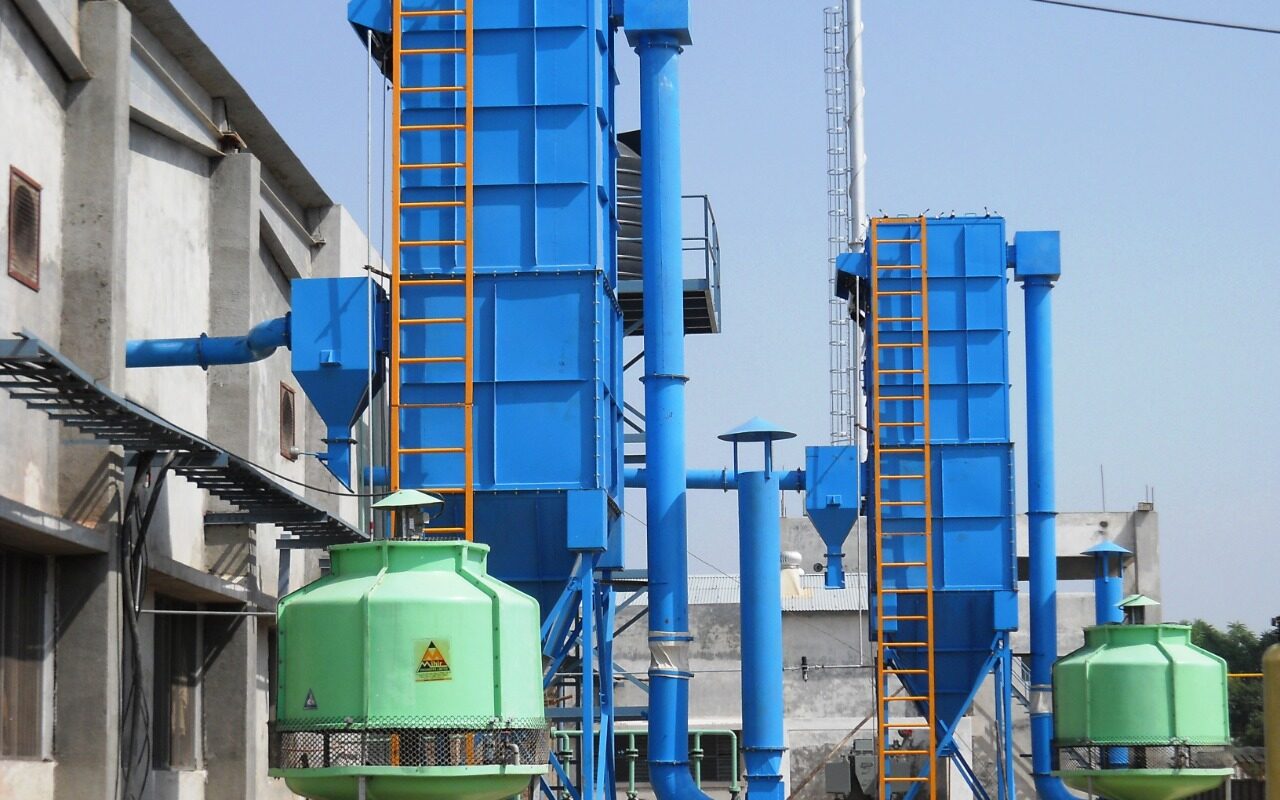
Air pollution control systems play a crucial role in cement plants, ensuring environmental sustainability and regulatory compliance. These systems effectively reduce harmful emissions like particulate matter, sulfur dioxide, and nitrogen oxides, benefiting both human health and the environment. By implementing these systems, cement plants safeguard nearby communities and enhance air quality.
Moreover, air pollution control systems offer significant benefits in meeting strict environmental regulations. Many countries limit the pollutants released from cement plants to protect the environment and public health. Incorporating de-dusting systems and bag filters helps cement plants meet and surpass these standards, showcasing their commitment to responsible practices.
Why is the Air Pollution Control System the Most Important Capex in Cement Plants?
Air pollution control systems are essential investments for cement plants as they play a crucial role in reducing harmful pollutants released into the air. These pollutants can have severe effects on the environment, human health, and compliance with regulations.
Air pollution can lead to various health issues such as respiratory problems, heart disease, and even cancer. Additionally, it can harm the environment, causing problems like smog, acid rain, and contributing to climate change. Cement plants are significant contributors to air pollution, making it vital to prioritize the adoption of air pollution control systems to minimize these emissions. By doing so, we can ensure cleaner air and a healthier environment for everyone.
There are a number of benefits to installing efficient air pollution control systems in cement plants. These include:
- Reduced emissions of harmful pollutants
- Improved air quality
- Reduced health problems
- Reduced environmental damage
- Improved regulatory compliance
- Cost savings
The cost of installing air pollution control systems can be high, but the long-term savings can be significant. These savings can come from reduced energy costs, reduced maintenance costs, and reduced fines for non-compliance.
Overall, investing in air pollution control systems is a critical capital expenditure for cement plants. These systems can help to reduce emissions, improve air quality, and protect human health and the environment.
In addition to the benefits listed above, air pollution control systems can also help to improve the reputation of cement plants. By reducing emissions, cement plants can show that they are committed to protecting the environment and the health of their employees and the communities around them. This can lead to increased sales and improved public relations.
What Causes Pollution in a Cement Plant?
Pollution in a cement plant can be caused by a number of factors, including:
- Raw material handling: The mining, crushing, and stacking of raw materials can generate dust and other pollutants.
- Emissions: The burning of fossil fuels in cement kilns can release pollutants such as sulfur dioxide, nitrogen oxides, and particulate matter.
- Particulate matter: The grinding of cement clinker can generate particulate matter, which can be harmful to human health.
The processes and activities that contribute to pollution in cement plants include:
- Mining: The mining of raw materials can generate dust and other pollutants.
- Crushing: The crushing of raw materials can generate dust and other pollutants.
- Stacking: The stacking of raw materials can generate dust and other pollutants.
- Reclaiming: The reclaiming of raw materials can generate dust and other pollutants.
- Drying: The drying of raw materials can generate dust and other pollutants.
- Blending and calcining: The blending and calcining of raw materials can generate dust and other pollutants.
- Kilns and clinker process: The burning of raw materials in kilns can release pollutants such as sulfur dioxide, nitrogen oxides, and particulate matter.
- Cement packing: The packing of cement can generate dust and other pollutants.
- Loading and unloading: The loading and unloading of cement can generate dust and other pollutants.
The environmental and health hazards associated with different types of pollutants emitted by cement plants include:
- Sulfur dioxide: Sulfur dioxide can cause acid rain, which can damage forests and aquatic ecosystems. It can also cause respiratory problems in humans.
- Nitrogen oxides: Nitrogen oxides can contribute to smog and acid rain. They can also cause respiratory problems in humans.
- Particulate matter: Particulate matter can cause respiratory problems, heart disease, and cancer. It can also reduce visibility.
Cement plants can take a number of steps to reduce pollution, including:
- Using cleaner fuels
- Installing pollution control equipment
- Improving operational practices
- Recycling and reusing materials
By taking these steps, cement plants can help to protect the environment and human health.
How to Decide the Best Air Pollution Control System for Your Cement Plant?
- Regulatory requirements and compliance standards: When choosing an air pollution control system, it is important to ensure that it meets all applicable regulatory requirements. This includes both local and national regulations. For example, in the United States, air pollution control systems must meet the requirements of the Clean Air Act. Techflow can achieve a 5mg/Nm3 emission standard, which is well below the levels required by most regulations. This means that Techflow's air pollution control systems can help businesses to comply with environmental regulations and protect the environment.
- The specific needs and constraints of the cement plant: You need to consider the plant's size, location, and production capacity when choosing an air pollution control system. For example, a small plant with a low production capacity may not need a large or expensive system.
- Different types of air pollution control technologies: There are a variety of air pollution control technologies available, each with its advantages and disadvantages. You need to choose a system that is appropriate for the specific pollutants being emitted from your plant.
Here are some additional tips for choosing the best air pollution control system for your cement plant:
- Get expert advice: It is important to get expert advice when choosing an air pollution control system. An experienced consultant can help you assess your needs and choose the right system for your plant.
- Consider the cost of ownership: The cost of ownership of an air pollution control system includes the initial purchase price, as well as the cost of operation and maintenance. You need to choose a system that is affordable and easy to maintain.
- Look for a system with a good track record: Make sure to choose a system that has a good track record of performance. You want to be sure that the system will be able to effectively control pollution from your plant.
How Can Techflow Enterprises Pvt Ltd Help in the Cement Industry?
Techflow Enterprises Pvt. Ltd. is a leading provider of air pollution control solutions for the cement industry. The company has a long history of providing innovative technologies and products that help cement plants reduce their emissions. Techflow's solutions are designed to meet the specific needs of each plant, and the company works closely with its customers to develop customized solutions that achieve the desired results.
Techflow's air pollution control solutions in the cement industry include:
- Baghouse Dust Collectors
- Pulse Jet Bag Filters
- Electrostatic Precipitators
- Centrifugal Fans and Blowers
- Wet Scrubber
- Powder Conveying Systems
- Cyclones
- MDC
Techflow has an impressive track record of success in the cement industry. With over 10+ cement plants worldwide, our company has installed its air pollution control solutions, leading to significant reductions in air pollution emissions.
Techflow is committed to helping cement plants reduce their emissions and improve air quality. The company works closely with its customers to develop customized solutions that meet their specific needs. Techflow's solutions are proven to be effective in reducing air pollution emissions, and the company is committed to providing its customers with the best possible service.
If you are a cement plant operator who is looking for ways to reduce your emissions, please contact Techflow today. We would be happy to discuss your specific needs and how we can help you achieve your goals.Techflow is a reliable partner in providing effective air pollution control solutions. We encourage cement plant owners and operators to prioritize air pollution control investments for a cleaner, greener future.Investing in air pollution control is an important step in protecting the environment and human health. We are committed to working with cement plant owners and operators to develop and implement effective air pollution control solutions.
In conclusion, integrating air pollution control systems, including de-dusting systems and bag filters, is essential for cement plants. These systems not only reduce harmful emissions but also ensure compliance with environmental regulations. Prioritizing these measures allows cement plants to create a cleaner, safer, and more sustainable future for all.