
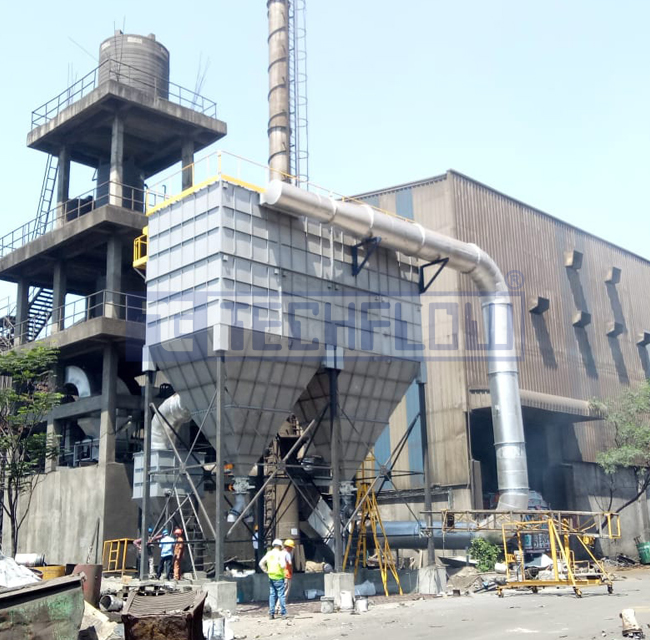
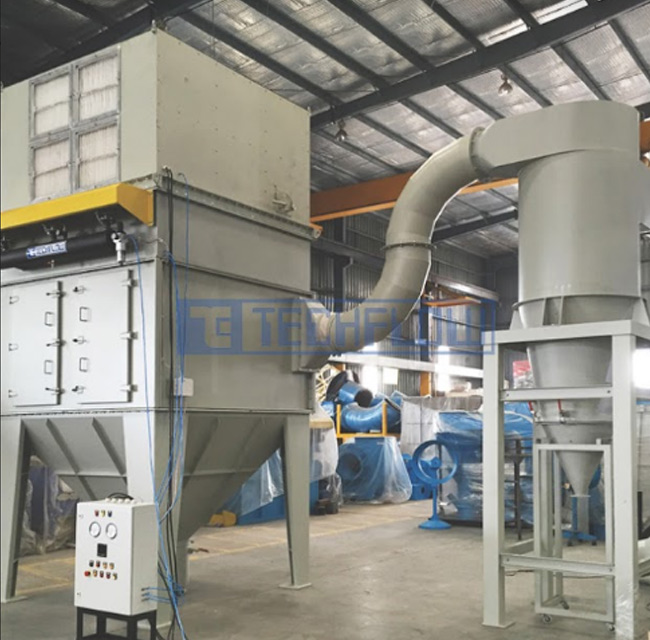
This article will cover several important aspects of industrial dust collection systems. Topics covered include Quiet operation, Safety, Costs, and Types. It also goes over the benefits of industrial dust collectors. Read on to learn more! Listed below are several commonly asked questions regarding industrial dust collectors. Let's take a look at each one! Hopefully, this information will be useful for you in making an informed decision.
Why Industrial Dust Collector Need to do Quiet Operation?
Most dust collectors are relatively quiet, but there are exceptions to this rule. The noise produced by an industrial dust collector is primarily a result of high-pressure exhaust. Sound waves are amplified by the collector's filtration system and then driven out through the exhaust. The result is a high-pitched squeal. Noise levels above appropriate hearing levels are dangerous to the ear. And the collector should have sound-controlling baffles or insulation to minimize these noises. Therefore, choosing a dust collector with a low noise level is highly recommended.
What are the Safety Issues with Dust Collectors?
Aside from the obvious safety issues, you'll need to consider the potential hazard of the dust collected in the housings of industrial dust collectors. A good way to ensure that workers are safe while using dust collectors is to post signs that remind them to wear respiratory protection and use PPE properly. Also, be sure to use appropriate safety equipment such as ladders and platforms to avoid any foreseeable accidents.
Choosing a dust collection system that complies with safety requirements will be a great start. You should look for a system with a lockout/tag-out door. This will prevent workers from accidentally opening the door during the pulsing cycle and exposing themselves to toxic dust. A bag-in/bag-out containment system is also recommended, as it can separate workers from used filters.
What is the Cost Involved with Dust Collectors?
The degree to which you need to collect dust depends on the type of product and the location of your plant. You should also consider the potential health hazards and the salvage value of the dust to determine which kind of equipment you need. The efficiency required should be considered when selecting a dust collector, and you should consider whether you need a high-efficiency machine or a moderately-cost one. The lower-cost primary units tend to be dry centrifugal collectors.
Purchasing a quality industrial dust collector can be costly but it will help in the long run. Don't just look for the cheapest option – consider its total cost of ownership before making your final decision. By comparing costs, you can determine which product will work best for your specific application and keep your business operating at a higher level. However, make sure to choose the right one for your needs, since a low-cost model may end up costing you more in the long run.
What are the Types of Blowers in Dust Collectors?
There are two basic types of blowers used in industrial dust collectors: airfoil and backwards curved. Both types are designed to separate different materials but are used for different applications. Airfoil blowers are located on the clean side of a dust collector. The main difference between them is their speed. Backward curved blowers produce less noise and dust but require a larger motor.
Inline fans sit inside ducting and push air through. These are common in long runs because they can generate enough airflow to collect dust without overworking the system. Ultimately, a commercial-grade industrial dust collector should contain an airflow greater than 2 cfm.
Where can Dust Collectors be Placed?
While new facilities are easy to install, older buildings pose different placement concerns. Generally, they are designed around the dust collector, which means you can keep your ceilings lower and avoid adding a roof. In such cases, your industrial dust collector should be placed as close to your system as possible. It is important to buy a unit that complies with regulatory standards, as this will allow for the best dust collection and prevent contamination of the surrounding air.
The location of your industrial dust collector depends on several factors, including the noise level, the overall length of ducting, and the direction of joists. The length of the ducting is also important, as it needs to be able to carry the correct volume of air. You also need to consider the location of your windows and doors, as well as the size and orientation of the ducting. However, it is important to choose a location that will not interfere with your workers' maneuverability.
The Bottom Line
There are many concerns and questions involved with the Dust Collector system, and above are just a few of the many that a person should know about dust collectors, as these will help one get a better understanding of these systems and their requirements and working conditions.