
A pneumatic conveyer is a type of conveyer that uses air as its medium to transport goods. It can be of two kinds, the dense-phase and the dilute-phase.
What is a Dense-phase Pneumatic Conveying System?
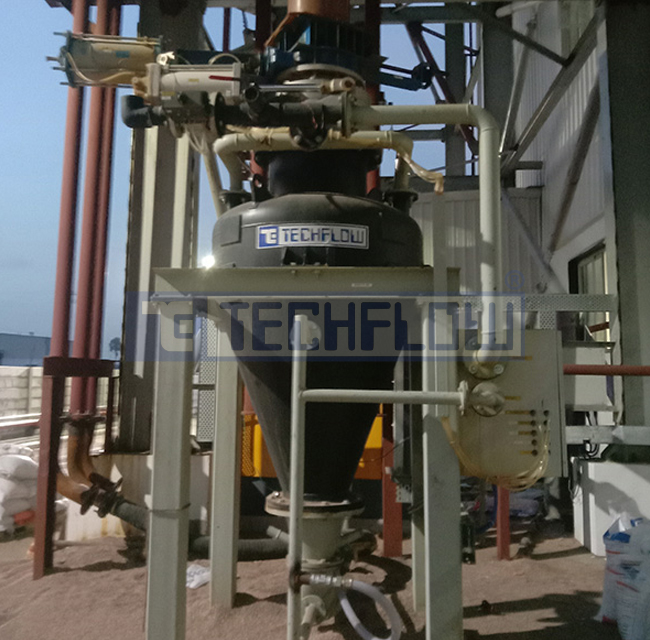
A Dense Phase Pneumatic Conveying System is also known as Fluidized Bed Flow. It is a very safe, simple, and effective mode of transporting materials. It offers several advantages in bulk material handling, especially when moving abrasive or friable materials.
Unlike other methods of conveying, Dense Phase Pneumatic Conveying uses low pressure, high velocity, and small gas volumes. It is also a very efficient, energy-saving, and cost-effective mode of transportation. It is used to move all kinds of materials.
The benefits of using dense-phase conveying include less wear on the conveying system and equipment, a reduction in the amount of material transferred, and a lower amount of power required. Additionally, the use of this mode of transport prevents material from becoming abrasive and degrading.
As an industry leader, TECHFLOW offers Dense Phase Conveying Systems that are built to handle a wide range of materials. It is also the pioneer manufacturer of this type of system in India.
The process of transferring materials by dense-phase pneumatic conveying requires special expertise and experience. For this reason, it is important to choose a reputable supplier. A reputable manufacturer will suggest laboratory testing before beginning installation.
The density of the material you are transferring can affect the design of your dense phase system. Dense-phase pneumatic conveying works most often with a single collection point. However, it can also transfer materials to multiple feeding points. For example, you may need a system that will transport your materials from a silo to a receiving hopper.
Depending on your product, you may need to install additional air injectors to ensure that your bulk materials are able to move properly. It is also advisable to consider your material's static charge and temperature.
The size of the pipeline is an important factor. A smaller pipeline will decrease the total system installation cost. It will also allow you to handle more complex routes.
Dense-phase pneumatic conveying can be confusing for those who are new to the process. Fortunately, there are numerous resources available to help you learn more about the process. There are also commercial systems that have been developed in recent years.
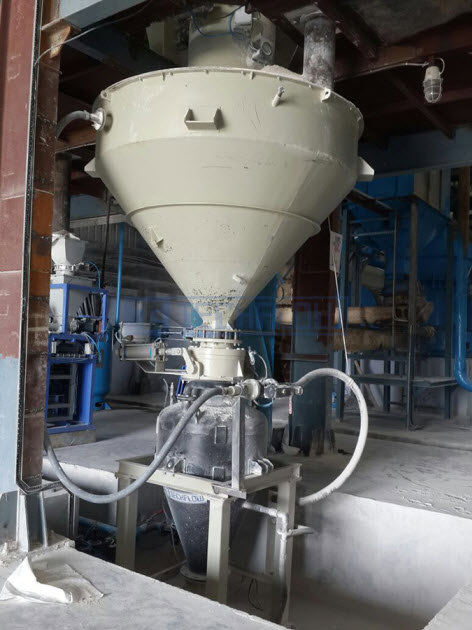
How to Choose Pneumatic Conveyors?
There are several different types of pneumatic conveyors to choose from. However, when it comes to the selection process there are a few key criteria that need to be considered.
In the first place is the material in question. After that, the best way to proceed is to consider the materials handling hierarchy (MHS) in the context of a material centric facility. This is a key consideration for many a manufacturer of powders, granules, and flakes. A properly designed and maintained facility can go a long way in reducing downtime, maintaining productivity, and maximizing operational efficiency. These factors have a dramatic impact on cost of goods produced, resulting in increased profit margins and reduced operational expenses.
When choosing a pneumatic conveying system, it's important to consider the factors that contribute to its design and operation. In particular, the speed of the conveying air stream is essential to the overall performance of the system. If the velocity is too high, it can wear out pipelines, cause particles to break, and even lead to contamination. Alternatively, if the speed is too low, the particles are more likely to stick to the bottom of the pipe. This can lead to product deterioration and pipeline plugging.
When you decide to use a pneumatic conveying device, you should keep in mind the size of the material. Depending on its size, you may need to invest in a bigger dust collection system. In addition, you should consider the particle velocity of the material. If the particle velocity is too high, it can damage your product.
The biggest hurdle is selecting the right type of conveyor for the job. There are three general categories to choose from: thick stage transports, weakened stage transports, and semi thick stage transports. Each one is suited to different material types and applications, and the selection should be based on several factors. Having a solid understanding of the material to be handled will go a long way in choosing the right equipment, ensuring the optimum performance.
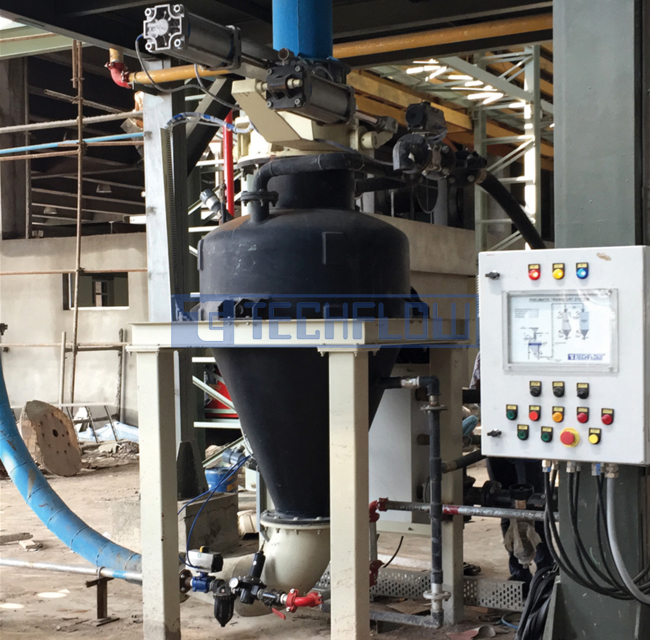
Dilute-Phase Pneumatic Conveying System
In recent years, pneumatic conveying has become a popular option in many industries. It enables the transportation of dry bulk materials and helps prevent contaminates from entering the product. Unlike mechanical conveying equipment, which only handles solid materials, pneumatic systems are capable of handling a wide variety of materials and can transport them at a long distance.
Pneumatic conveying can be performed in various modes, namely dilute phase, lean phase, and dense phase. The choice of which mode to use depends on the characteristics of the product being transported, its capacity, and its distance from its source. In addition, the material's density can help determine its performance in the system.
Dense phase pneumatic conveying is ideal for long-distance conveying. It is typically used for heavier materials, such as cement, sand, and limestone. This method is a more costly way to transport materials, but it provides a more reliable and durable solution. Compared to dilute phase systems, it has less attrition and can handle a wider variety of materials. It can also be used for more complex materials such as metals and plastics.
Dilute-phase pneumatic conveying is another popular type of transport, often used for granular and non-abrasive materials. It uses large amounts of low-pressure air to move materials at very high speeds. This form of conveying can be used to transfer a wide variety of materials, but it is particularly useful for materials that are difficult to break.
The type of material that is being conveyed is another factor that can affect the performance of a pneumatic conveying system. If the material being transported is abrasive, it can cause damage to the materials being conveyed, such as bending or crushing.
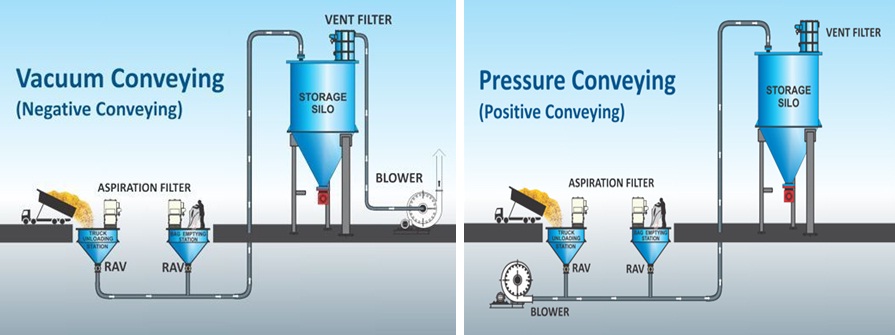
Applications of Pneumatic Conveying Systems
Pneumatic conveying systems are used for the transport of various types of materials. They can handle bulk materials as well as small particles. This makes them more practical than mechanical conveyors. Moreover, these systems offer a healthier atmosphere in the workplace. They are also easier to install and maintain. However, they do require a lot of power.
In addition to these advantages, they also reduce waste of products. Because of their reduced number of mechanical parts, they are less costly to maintain. They can be installed in a variety of locations. They can move materials horizontally and vertically. They are also easy to connect with other process machines.
Some of the types of material that can be transported using pneumatic conveying include fine powders, pellets, granules, and abrasives. They are also able to transport materials at a distance. This helps to avoid product contamination. Unlike mechanical conveyors, they can also convey temperature-sensitive materials.
These types of pneumatic conveying systems are widely utilized in the food industry. They can also be used in the pharmaceutical industry. In addition, they are used in the manufacturing of biomedical equipment and plastic material production. They can also be used to transport chemical compounds.
Using pneumatic conveyors is beneficial because it allows the user to control the atmosphere inside the conveying line. In this way, they can isolate carcinogenic materials. Another important benefit is the reduction of friction losses. This can be beneficial in terms of reducing wear and extending the life of the product.
In addition to this, the material can be conveyed through an enclosed pipeline. This is beneficial because it keeps the plant clean and prevents any spillage. In addition, the material can be handled gently.
The Bottom Line
If you want to use a pneumatic conveying device, it is advisable to know the specific requirements of the material you are handling. This can help you keep the quality of your product intact and the efficiency of your process intact.
Having an efficient conveyor system is vital to the success of any manufacturing endeavor. This is particularly true in the high-tech and fast-paced industries like electronics, pharmaceuticals, food and beverage, and energy. The right conveyor will save time, money, and aggravation, and should be a top priority on the shortlist of your procurement checklist. It is a good idea to consult a consultant for more than just a price quote. Some of the more expensive alternatives may not be worth the investment.