
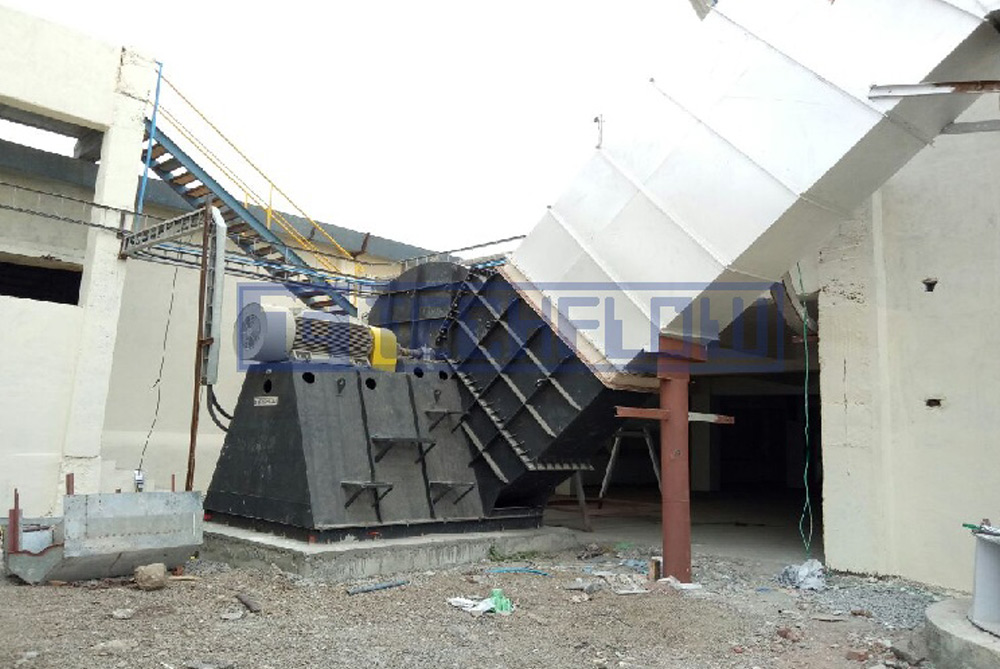
A centrifugal blower is an essential part of pollution control systems. Industrial processes produce air pollution, mainly from combustion and chemical processing. To reduce emissions, manufacturers use industrial air treatment processes. A centrifugal fan is an integral part of industrial air handling operations. It can handle several materials, including sand, sawdust, plastic pellets, and heavier materials.
Features of Centrifugal Blower
A Centrifugal Blower moves air at high pressures. It is typically used in pneumatic conveying systems and is highly efficient. The main difference between a centrifugal blower and a normal fan is the pressure ratio. A centrifugal blower can handle airflow up to one and a half times higher than a backward inclined fan.
These fans are often used in dirty airstreams with high levels of particulate and moisture. They are often used in systems with high temperatures. They can range from small models with low horsepower motors to huge, models. Each type of centrifugal blower has its characteristics and uses. If you are looking for a high-quality unit, consider a plug-fan centrifugal blower. The compact design makes it the perfect choice for any industrial application.
Role of Centrifugal Blower in Pollution Control
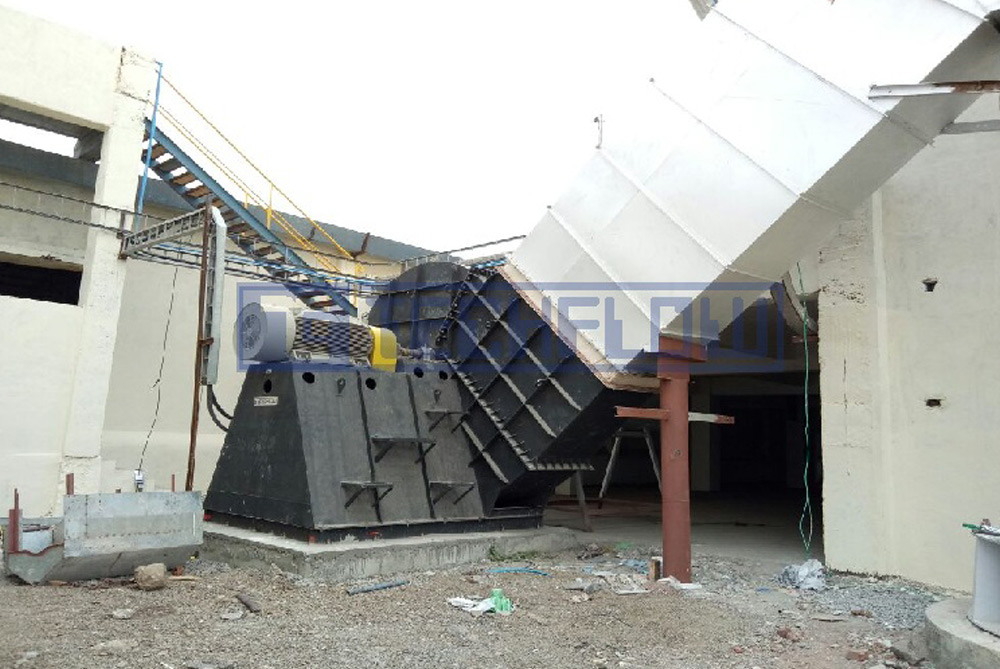
The role of a centrifugal blower in pollution control is a very complex one. A centrifugal blower is used in a variety of industrial processes. It works by rapidly increasing the flow of air without causing high pressures. They are designed for maximum airflow levels and are generally standalone units. If you are looking for a centrifugal blower, you can start by reading about them.
It is an effective way to remove harmful gases and particles. The impeller is what drives the air. It pulls air into the inlet and then releases it into the outlet duct. This process helps in removing pollutants from the atmosphere. So, it is very efficient.
A centrifugal blower works by using centrifugal forces to move the air around a fixed point. They also create a negative pressure at the central hub, which can cause damage to the machine. A centrifugal blower is a versatile piece of equipment, as it can serve several purposes. The most common use of a centrifugal blower is in a chemical processing facility.
Working of Centrifugal Fan
A Centrifugal Fan works by dissipating air using centrifugal force. The gas particles near the impellers are thrown off and move into the casing of the fan. The pressure of the gas is measured in the gas density and guided to exit the system via outlet ducts. As the gas is thrown off, the pressure drops in the middle region of the impellers. This causes the gas in the eye of the impeller to rush in and help normalize the pressure.
The capacity of a Centrifugal Fan is the amount of fluid the fan can move per unit of time. This figure is normally expressed in m3/h, m3/min, or m3/sec. Another important parameter is its efficiency. This is the ratio of energy used by the fan to the energy consumed by the system. Moreover, a Centrifugal Fans' efficiency is the key factor in determining its efficiency.
The efficiency of a Centrifugal Fan depends on its design and efficiency. Besides, a small centrifugal fan can quickly move air in a room or a small space. However, large, high-pressure Centrifugal Fans require higher energy input to reach their desired airflow performance.
Importance of Centrifugal Fans Applications
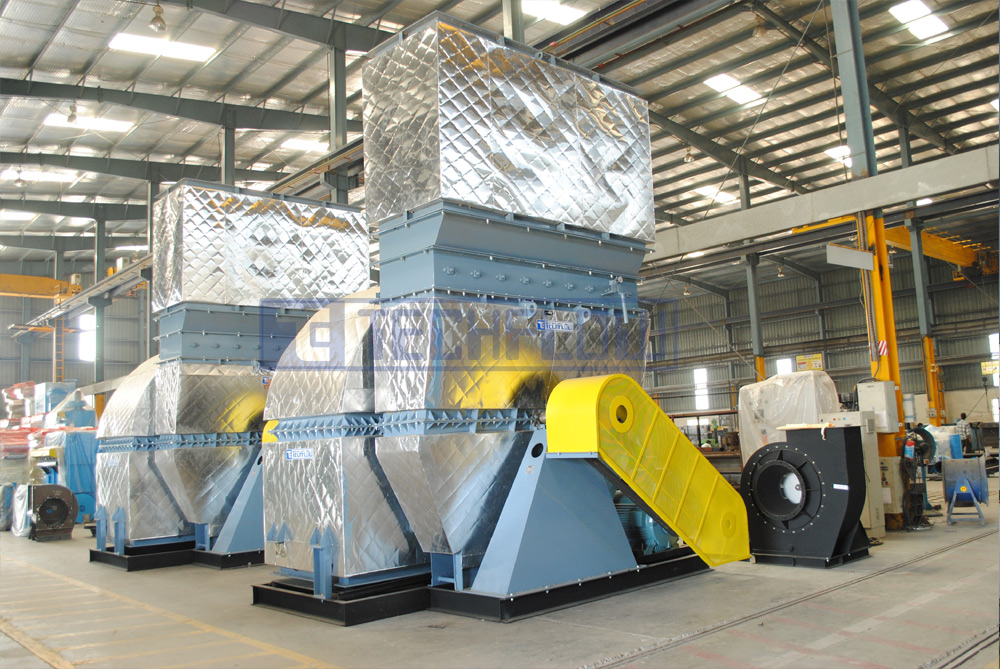
A Centrifugal Fan can be used in a wide range of applications. It is commonly found in air conveyor systems, where the air flows through a conveyor belt. Axial fans, on the other hand, have pitched blades. The pitch of the blades creates a pressure differential inside the fan. The air passes through the rotor and makes contact with the individual blades. The pressure difference between the moving air and the stationary blades creates a flow of air in the desired direction.
A Centrifugal Fan uses airflow to move through a closed system. The air is forced through the ducts. Industrial centrifugal fans are often used in automobile washes and chemical processing. These fans help in moving materials through various processes. Aside from circulating air, centrifugal fans also have air filtration capabilities. This allows them to filter and separate small particles.
The Bottom Line
Centrifugal blowers are versatile and efficient air-moving equipment. Because they have a double-rotating design, they produce a low-pressure system. Axial and centrifugal fans can be used in industrial applications and many environments. A centrifugal fan is a mechanical device used to move air and gases. These are commonly used in ducted applications and are called a blower, squirrel-cage, and biscuit-blowers. They are highly efficient and can move air at very high pressure. They are also useful in industrial settings where they need to control the pressure of air.