
A vacuum conveyor is an ideal addition to automated and control-oriented systems. These conveyors can be designed for a number of purposes and can be fitted with the necessary instruments. The system should be designed to take into account the working environment, the material's flow characteristics, and any potential hazards. A variety of materials can be handled with the aid of a vacuum conveying system, and it is easy to maintain. This article will give you a brief overview of the benefits of this technology.
Salient Features of Vacuum Conveying Systems
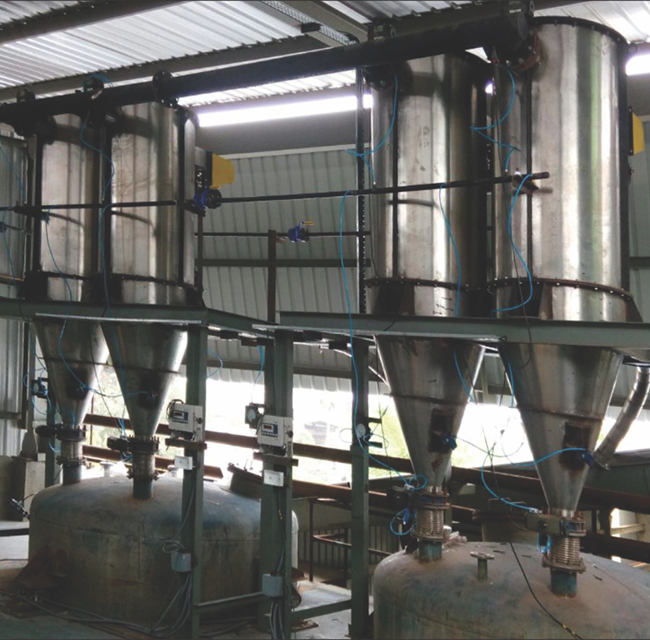
A standard pneumatic system requires a single pickup point. This pickup point can be a drum or a bag-dump station. The bulk density of the material to be conveyed also determines the type of vacuum producer needed. For example, if the material is very heavy, you'll need more airflow, a higher vacuum level, and a bigger motor horsepower for the vacuum producer. Moreover, a smaller conveyor system requires fewer filters, and it may not be necessary to add extra airflow to the conveying process.
Types of Vacuum Conveying Systems
A vacuum conveying system can be divided into two types, dilute, and denser phases. Dilute phase conveyors consist of material entrained in air, and a dense phase conveys materials in lean and thick conditions. This type is ideal for powdered products that need to be transported quickly. The material can be transferred without any damage to the container. The air stream is a critical component in the process.
Important Advantages of Vacuum Conveying
The main advantage of vacuum conveying is its ability to remove solid materials from a process, while at the same time keeping the entire process in control. The vacuum conveying process includes two cycles: loading and unloading. In the loading cycle, the material is sucked directly into the conveying system. In the unloading cycle, the material is released, and the process repeats itself.
A vacuum system is able to transport materials under atmospheric pressure, so there is no tendency for outward leakage. Its advantages over other conveying methods include lower cost and greater efficiency. Furthermore, it is not practical to use a vacuum conveying system for large quantities of products. It is, however, highly efficient. If your application requires the movement of a large volume of product, this type of conveyor might be appropriate. Another benefit of vacuum conveying is its flexibility and reliability.


In Conclusion
The advantages of vacuum conveying are many. Its flexibility and low-profile design make it suitable for a large number of applications. The material does not need to be in a specific form to be transported. It can be carried at a certain angle to prevent excessive bending and prevent material buildup. A vacuum conveying system is the most flexible and efficient way to move goods and is a valuable addition to chemical and agricultural production facilities.