
Choosing the right pneumatic conveying system depends on a number of factors, including the bulk density of the material, the distance it must cover, the type of conveyor used, and cost. To make the process as smooth as possible, here are some frequently asked questions about pneumatic conveying systems. Read on to find out more.
How to Choose Pneumatic Conveying Systems?
Choosing a pneumatic conveying system can be a tricky proposition. It requires a lot of sizing and design considerations, and there are numerous pressure drop problems to consider as well. Weigh all the pros and cons of choosing a pneumatic conveying system.
The benefits of a pneumatic conveying system are numerous. Among them are the fact that they have fewer moving parts and require less space than other types of conveying systems. Additionally, this type of system can cover long distances and accommodate multiple discharge points. This flexibility gives users a lot of flexibility. If you need to move bulky or large particles, a pneumatic system is a great choice.
What Factors to Consider in Pneumatic Conveying Systems?
When choosing a Pneumatic Conveying System, there are a few considerations to consider before you decide to purchase it. Pneumatic systems are generally safer than mechanical ones and can be installed overhead. When installing a pneumatic system, however, it is important to take into account the height of the lifts at each end and any angles or elbows that may be encountered along the way. In addition, a vertical lift cannot exceed a specific height.
The materials you intend to convey the need to be chosen carefully. Consider the bulk density of the material to be conveyed, the distance you need to travel, the type of pneumatic conveyor you choose, and the cost. Most materials have a bulk density between 0.1 kg/dm3 and are easier to convey than heavier materials. The larger the bulk density, the more powerful the pneumatic system will need to be.
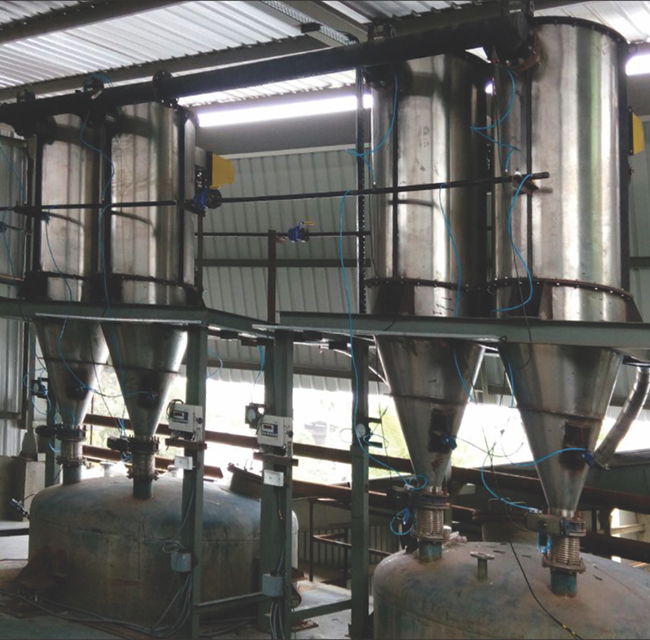
Why do Pneumatic Conveying Systems Need Blower Package?
Whether your pneumatic conveying system is small or complex, you'll need an industrial blower that can meet your specific needs. The blower packages are designed to fit your exact needs, ensuring that your pneumatic conveying system will run smoothly. Each package includes a positive displacement blower with built-in braces and a silencer. Our designers carefully calculate the required airflow and pressure for each blower and match the right sized package to your specific application.
Choosing the right blower package for your pneumatic conveying system is crucial, as the right blower will determine how effectively your material is conveyed. The size and type of the package you choose should be in proportion to the bulk material, as well as the conveying distance. In addition, the motor power will determine the size of the package, and its horsepower will impact its efficiency. The piping route must be direct and free of radius elbows and angled pipework.
What are the Advantages of Dust-free Transport in Pneumatic Conveying Systems?
The advantages of dust-free transport of powders can't be underestimated. It can save valuable time and money in cleaning and reprocessing processes. And unlike other transport methods, a pneumatic conveying system does not create a mess! Here are three ways dust-free transport of powders can improve the efficiency of your operation:
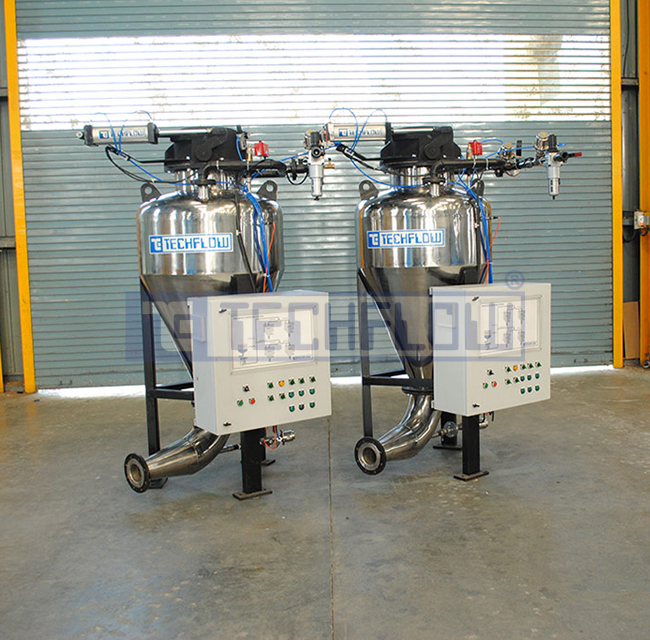
The first is to select a suitable system. There are several types of pneumatic conveying systems available in the market. This technology consists of a telescoping pipe that conveys dry powder bulk material into a receiving container. In this process, the conveying air is drawn into an integrated filter receiver, located between the outer and inner conveying pipe. The pneumatic conveying system has a rotary valve under the filter receiver which discharges dust back into the conveying cycle.
What is the Cost of Installing Pneumatic Conveying Systems?
A pneumatic conveying system is essential for any manufacturing process because it eliminates product contamination, reduces costs, and solves hygiene and safety concerns. Pneumatic systems are also ideal for automated applications, as they add flexibility to production lines and eliminate product contamination. Cost of labour is one of the highest operating costs in a business and the increased automation of manufacturing processes can help companies manage growth without exceeding profits and cash flow.
The Bottom Line
A pneumatic conveying system features a flexible screw to move a wide variety of materials. This design minimizes dust but requires little air filtration at the discharge point. There is no downside to this system and the cost and installation space are comparatively low when compared to its benefits.