
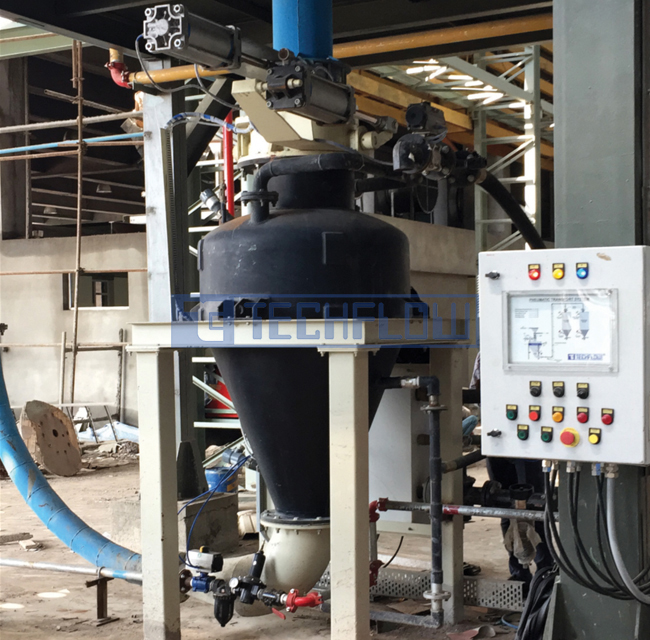
A pneumatic conveying system is one of the best ways to transport materials. This is because it allows the materials to move with minimal friction. In addition, it is a more cost-effective way of transporting materials than other methods. It is also considered as a more environmentally-friendly method of transportation. However, when choosing a pneumatic conveying system, you need to take certain factors into consideration.
What is Dense Phase Pneumatic Conveying System?
Dense phase pneumatic conveying systems have several advantages over traditional mechanical conveying systems. They are ideal for moving abrasive, friable, and fragile materials. The high pressure used in dense phase conveying systems ensures that material moves without damage. These systems are also suitable for long distance transport.
The first step to installing a dense phase system is to determine the type of product you are moving. For example, sugar is manufactured in a narrow size distribution. In order to efficiently convey this material, the density must be tested correctly.
Another important consideration is the rate at which the product is moving. If you are moving material at a low rate, you might need to add air to the system to keep the flow consistent. This can be done by strategically adding air to the line.
Dense phase systems also move at lower velocities, allowing materials to move with less impact and breakage. By moving at a reduced speed, your product is more likely to reach its destination in a shorter period of time. Ultimately, the reduction in material breakage will result in less waste.
What is the Use of Pneumatic Conveying System?
Pneumatic conveying systems can be used to transport a wide range of materials. They can move dry bulk materials as well as granular, powdered, and abrasive materials. The key factor determining the type of system you need is the type of material you are moving.
For many materials, it is recommended that you use dense phase pneumatic conveying systems. Using this type of system can help you avoid the risk of deterioration, which can result from high-velocity conveying. It also ensures that you can safely transport abrasive, fragile, or other bulk materials.
For materials that require lower velocities, you can choose semi-dense phase pneumatic conveying. This type of system is ideal for long-distance transportation of abrasive, fragile, or powdered materials. In addition, it allows you to convey a wide range of materials, including powders, flakes, and pellets.
Dense phase conveying uses a smaller volume of air, and at a higher pressure, than dilute phase. Because of this, you are able to reduce air consumption and minimize the risk of degradation. However, this type of system is not suitable for all types of materials.
Cost of a Pneumatic Conveying System
When it comes to transporting dry bulk materials, a pneumatic conveying system is ideal. It is simple to install, requiring fewer moving parts, and is capable of enduring harsh environments. However, there are several things to consider before purchasing a pneumatic conveying system.
The cost of a pneumatic conveying system depends on the type of material it is used for, as well as the type of compressor it requires. Some systems may be less effective than others, depending on the type of material being transported. Generally, the smaller the volume, the less efficient a pneumatic conveying system will be.
While a dilute phase pneumatic conveying system is the most common type, there are several other types available as well. These include lean phase, thick phase, and consolidated attractions. Lean phase is a method of conveying dry powders, while thick phase conveys a mix of materials.
Dilute phase is a form of pneumatic conveying in which the materials are moved at low pressure. Typically, air entry pressures are below one bar. This process allows for the conveyance of a wide variety of materials, including sand, cement, limestone, and fly ash.
The Bottom Line
Pneumatic conveying is one of the most common conveyor systems available today. They are used in a variety of applications, and they provide a number of benefits. Among other things, they move gently and help prevent blends from segregating. Compared to other forms of conveying, they consume less power and require less maintenance.
These types of conveyors can be used to move a wide variety of products, including nonfree-flowing, moisture-sensitive, fat-laden, and temperature-sensitive materials.