

The sugar industry holds a significant position in India's economic landscape, providing employment opportunities and contributing to the nation's growth. However, like many industrial sectors, sugar production is not immune to environmental challenges. One of the most pressing concerns is air pollution, caused mainly by the combustion of fossil fuels during sugar milling processes.
Air pollution resulting from sugar industry activities not only deteriorates the air quality around sugar mills but also contributes to global environmental issues, such as climate change and acid rain. Moreover, prolonged exposure to air pollution poses severe health risks to nearby communities and the workforce.
To combat this critical issue, the sugar industry must adopt effective air pollution control measures. In this article, we will explore the role of air pollution control in sugar mills and delve into the advanced equipment designed to mitigate environmental impacts.
Air Pollution Caused by the Sugar Industry
As sugarcane is processed to extract sugar, bagasse, a fibrous residue, is left behind. Sugar mills often use bagasse as a fuel source for power generation and other processes. Unfortunately, the combustion of bagasse and other fossil fuels in sugar mills releases a variety of pollutants, including particulate matter (PM), sulfur dioxide (SO2), and nitrogen oxides (NOx).
Particulate matter consists of tiny particles suspended in the air, which can penetrate deep into the respiratory system when inhaled. Sulfur dioxide and nitrogen oxides, on the other hand, contribute to acid rain, smog formation, and other environmental issues. The negative impacts of these pollutants extend beyond the immediate vicinity of the sugar mills, affecting neighboring communities and the global environment.
The Importance of Air Pollution Control in Sugar Industry:
Air pollution control in the sugar industry is of utmost importance, not only from an environmental perspective but also to comply with regulatory standards. By implementing robust air pollution control measures, sugar mills can achieve the following benefits:
Environmental Protection: The reduction of harmful emissions ensures that the air around the sugar mills remains clean and safe, safeguarding the health of nearby communities and preserving the natural ecosystem.
Sustainability: Sustainable practices, such as effective air pollution control, enhance the sugar industry's overall sustainability by minimizing its environmental footprint.
Compliance with Regulations: Governments and environmental agencies have established strict regulations and emission standards to protect air quality. Compliance with these regulations is mandatory for the sustainable operation of sugar mills.
Public Health: The release of particulate matter and other harmful pollutants can lead to respiratory problems, cardiovascular diseases, and other health issues in nearby communities. Controlling air pollution helps safeguard the health of workers and residents alike.
Air Pollution Control Equipment for the Sugar Industry
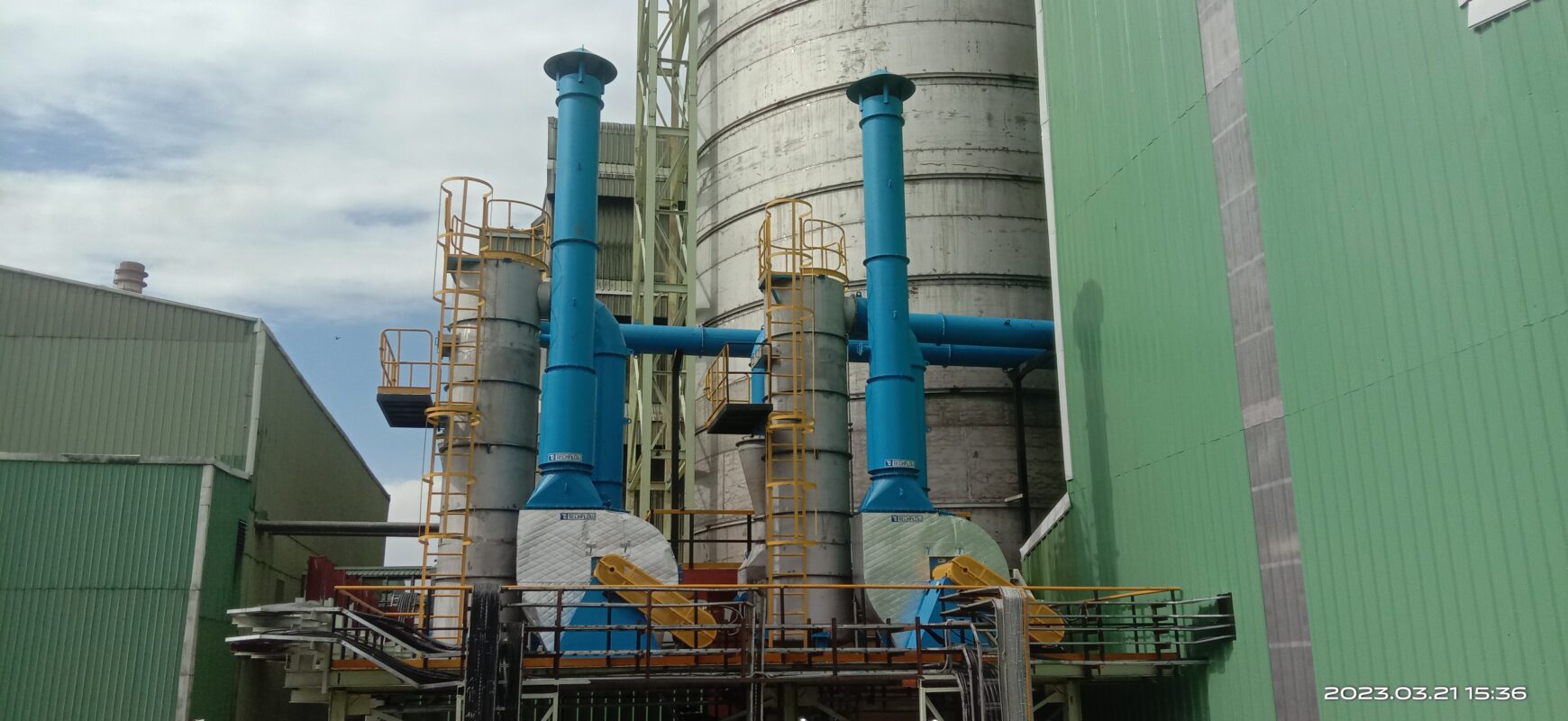
Techflow offers cutting-edge air pollution control solutions tailored to the unique requirements of the sugar industry. These advanced equipment and systems play a crucial role in reducing air pollutants emitted during sugar processing operations. Let's explore some of the key solutions:
Sugar Dust Collector: Sugar dust is a common byproduct of sugar handling and processing operations. Our high-efficiency sugar dust collectors are specifically designed to capture and contain sugar dust, preventing its release into the atmosphere. This not only improves air quality but also reduces the risk of dust explosions and enhances workplace safety.

Electrostatic Precipitator: Our Electrostatic Precipitators are highly efficient air pollution control devices used to remove fine particulate matter, including sugar particles, from industrial exhaust gases. This technology utilizes electrostatic forces to attract and collect particles on charged plates or electrodes. The captured sugar particles can then be safely removed and disposed of, ensuring compliance with stringent environmental regulations and contributing to a cleaner atmosphere.

Sugar Dust Filtration: Our sugar dust filtration systems ensure that the air exhausted from sugar mills is thoroughly filtered before being discharged. This filtration process traps fine sugar particles, ensuring compliance with environmental regulations and reducing the impact on surrounding communities.
Scrubbers: Our scrubbers are designed to tackle various pollutants, such as sulfur dioxide (SO2), and nitrogen oxides (NOx), which are emitted during sugar processing. The scrubbing process involves the use of chemical agents or water to neutralize and remove these harmful substances from the flue gases, promoting cleaner emissions and helping to combat air pollution effectively.
Sugar Fabric Collectors: Sugar fabric collectors are utilized to separate fine sugar particles from the flue gases produced during the combustion of bagasse. These collectors are efficient in capturing sugar particles, promoting cleaner emissions and better air quality.
Shaker Dust Collectors: Shaker dust collectors are employed to collect and remove dust and particulate matter from the air within sugar mills. By using a shaking mechanism, these collectors dislodge and collect dust, keeping the workplace clean and reducing the emission of airborne pollutants.
Why Choose Techflow for Air Pollution Control Equipment:
Techflow stands out as a reliable partner for sugar mills seeking effective air pollution control solutions. Here are some reasons why choosing Techflow can be the right decision:
Expertise and Experience: With decades of experience in the industry, Techflow possesses the technical know-how and expertise to deliver cutting-edge solutions that excel in performance and reliability.
Customization: Each sugar mill may have distinct emission characteristics, and Techflow understands the importance of tailored solutions. Their air pollution control equipment can be customized to specific flue gas compositions, ensuring optimal performance and compliance.
Energy Efficiency: Techflow's equipment is designed with energy efficiency in mind. By minimizing energy consumption, sugar mills can reduce operating costs while maintaining high air pollution control efficiency.
Compliance and Quality: Techflow ensures that its equipment undergoes rigorous testing and quality assurance protocols, meeting the highest standards and providing long-lasting performance. Moreover, the solutions comply with India's environmental regulations and emission norms.
Clean air is essential for the sustainable development of the sugar industry in India. Techflow's cutting-edge air pollution control equipment plays a critical role in ensuring that sugar mills operate responsibly and with minimal environmental impact. By effectively capturing and reducing air pollutants, such as sugar dust and particulate matter, our solutions promote cleaner emissions and support the health of both the environment and nearby communities.
Techflow's air pollution control equipment can help sugar mills to meet environmental regulations and reduce their carbon footprint. Our solutions can also help to improve the quality of life for people living near sugar mills by reducing air pollution and associated health risks.
If you are a sugar mill operator looking to improve your environmental performance, Techflow can help. We offer a wide range of air pollution control equipment that can be tailored to your specific needs. Contact us today to learn more about how we can help you achieve your sustainability goals.